
I’ll admit it: when I first heard that Woody was coming back for Toy Story 5, my first reaction was basically, “Wait… wasn’t this already finished?”
Toy Story 4 gave Woody one of the cleanest endings Pixar had ever written for a major character. He walked away from Bonnie, handed his sheriff badge to Jessie, reunited with Bo Peep, and finally chose a life that wasn’t defined by waiting for a kid to pick him up and play.
It was sad, but it felt right.
So bringing Woody back sounded dangerous. Not exciting-dangerous. More like please don’t ruin one of Pixar’s best endings dangerous.
After seeing how Toy Story 5 uses him, though, I think there’s a much better argument for his return than I expected. Pixar isn’t really asking Woody to become Bonnie’s toy again. That’s the important distinction. Woody comes back because his friends need him — and because the problem facing them is something he simply can’t ignore.
Woody Didn’t Undo Toy Story 4
The easiest way to misunderstand Woody’s role in Toy Story 5 is to assume that he regrets leaving.
He doesn’t.
That’s what makes his return interesting.
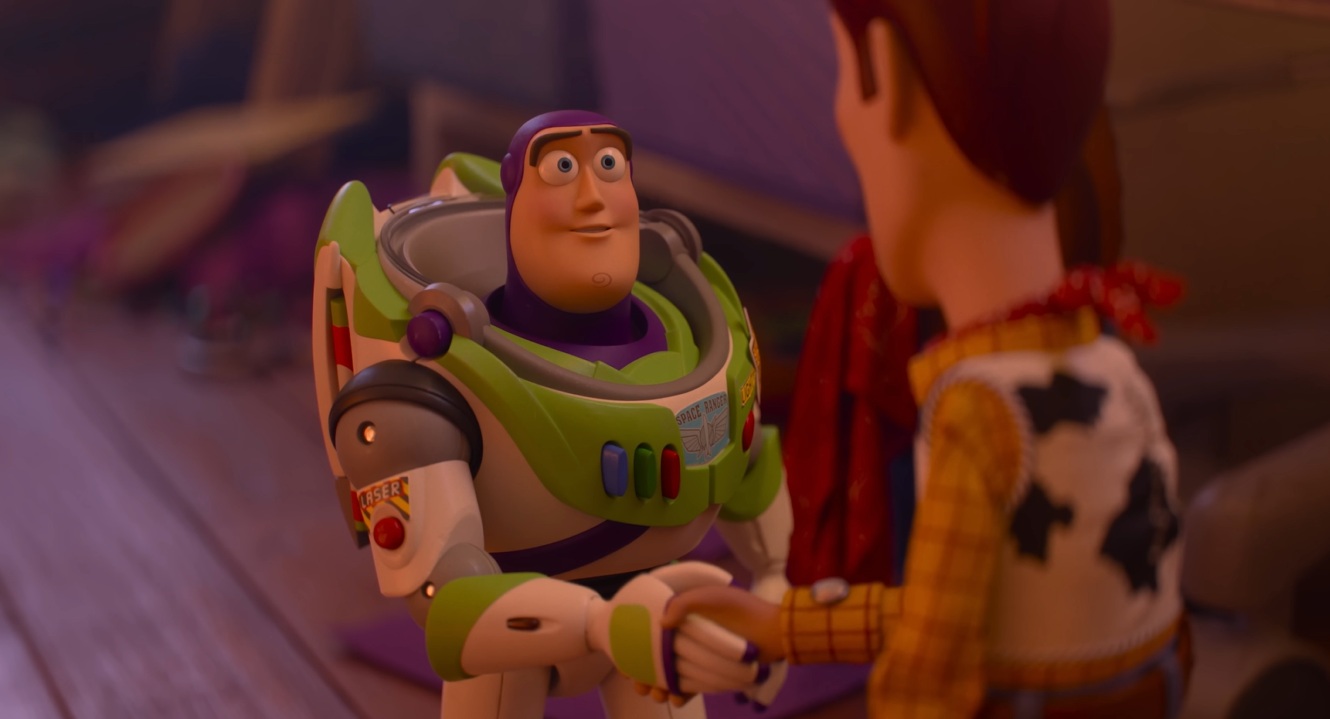
Woody’s life after Bonnie isn’t presented as some huge mistake. He and Bo Peep have spent years traveling around and helping other abandoned toys find new homes. In a strange way, Woody has taken everything he learned during his time with Andy and Bonnie and turned it into a completely different kind of mission.
He’s still a sheriff.
He’s just not protecting one kid anymore.
He’s protecting toys.
That difference matters because the central conflict of the new movie isn’t really about Woody wanting his old life back. It’s about the changing relationship between children and toys.
And that’s where Jessie enters the picture.
Jessie Is the One Who Brings Him Home
With Woody gone, Jessie becomes the main leader of Bonnie’s toys.
I actually love this decision.
For years, Jessie has lived somewhat in Woody’s shadow. She’s brave, energetic and fiercely loyal, but Woody was always the emotional center of the group. Giving Jessie the responsibility of keeping everyone together makes her feel like a character who has finally stepped into the role she was always capable of filling.
Unfortunately, she’s facing a problem that punching, jumping or clever planning can’t easily solve.
Bonnie is growing up.
She’s becoming increasingly fascinated by technology, and the new tablet-like device LilyPad becomes the center of her attention. Instead of imagining adventures with Jessie, Buzz and the others, Bonnie is spending more and more time staring at a screen.
The toys aren’t just being ignored.
They’re becoming irrelevant.
For Jessie, this hits especially hard because she knows exactly what abandonment feels like. Her memories of Emily aren’t some distant piece of character history anymore. They’re suddenly happening all over again in front of her.
That’s when Jessie makes the call.
She reaches out to Woody.
And this is where I think the movie makes its smartest choice.
Woody Doesn’t Return for Bonnie. He Returns for Jessie.
There’s a subtle difference between those two things.
If Woody had simply heard that Bonnie missed him and immediately sprinted back, it would have felt cheap. His entire journey in Toy Story 4 was about accepting that he couldn’t spend his entire existence waiting for one child.
But Jessie isn’t calling because Bonnie wants Woody back.
She’s calling because the toys are in trouble.
That’s something Woody understands immediately.
He’s spent years watching abandoned toys pile up across the world. He has seen firsthand what happens when children stop playing with physical toys and move on to phones, tablets and digital entertainment.
So when Jessie tells him that the same thing is happening to Bonnie’s toys, Woody isn’t suddenly nostalgic.
He’s concerned.
And once Woody hears Buzz is still there, Jessie is struggling to protect everyone, and Bonnie’s relationship with her toys is disappearing, there’s really no version of Woody that would just shrug and stay away.
That’s who he is.
The Buzz and Woody Reunion Is Exactly What Fans Wanted
Let’s talk about the reunion, because this is the scene I was waiting for.
Woody sneaking back into the room and encountering Buzz after years apart is almost designed to punch longtime fans directly in the nostalgia.
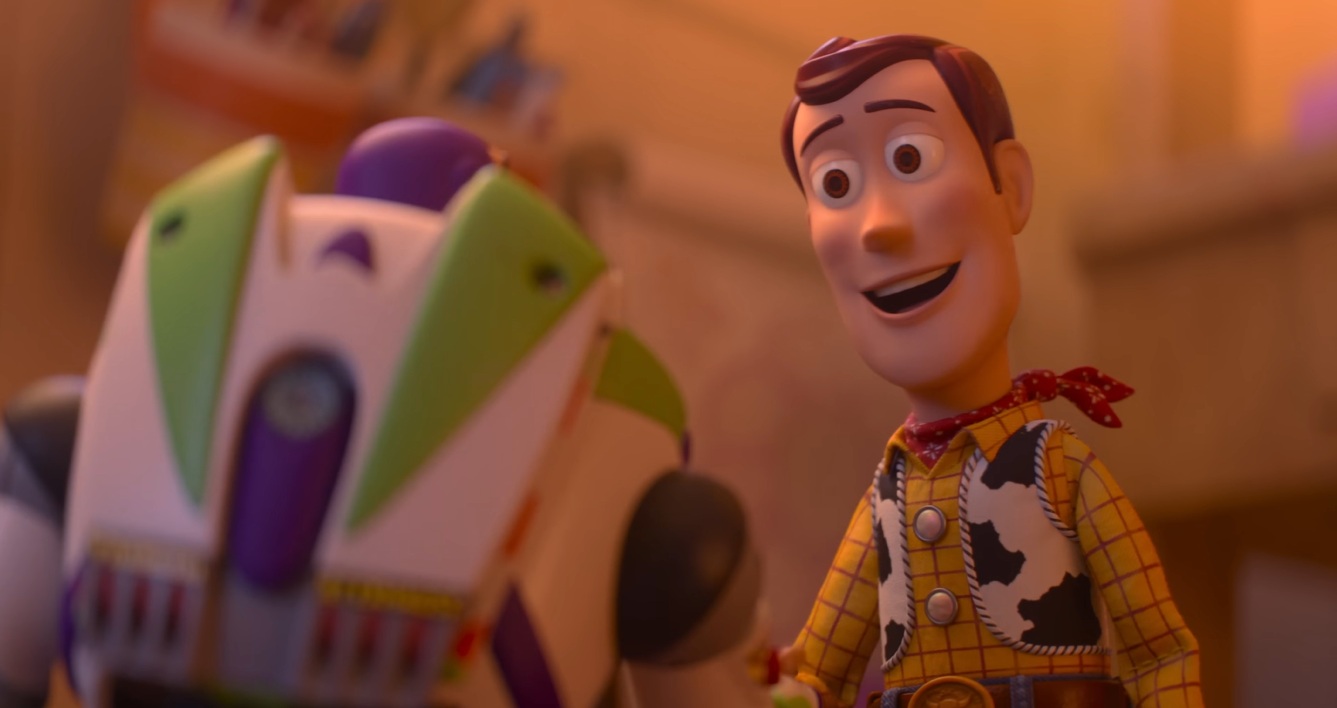
Buzz spots movement in the darkness.
His laser comes on.
He demands to know who’s there.
And then he recognizes that familiar cowboy silhouette.
“It’s been too long, cowboy.”
Come on.
You can call it fan service if you want. I’m not going to fight you.
But there’s a difference between empty nostalgia and nostalgia that actually serves the story.
This one works because the two characters have genuinely been apart. Their friendship isn’t being reset to the beginning. They’ve both changed.
Buzz has continued being Buzz — loyal, tactical and convinced that every problem can probably be solved with a mission plan.
Woody has spent years outside the world they once knew.
They’re older, in their own strange toy way.
And that creates a fun reversal of their original relationship.
Back in the first Toy Story, Woody had to learn to accept Buzz.
Now Buzz has to understand why Woody left in the first place.
Woody and Buzz Still Don’t Agree on Everything
One thing I particularly like about the setup is that Woody isn’t magically placed back in charge.
Jessie is already the leader.
Buzz is still the group’s tactical powerhouse.
Woody has experience that neither of them possesses, but he isn’t returning to reclaim his old position.
Instead, the three characters bring different strengths to the same problem.
| Character | What They Bring |
|---|---|
| Woody | Experience, empathy and understanding of what toys mean to children |
| Buzz | Strategy, courage and a willingness to confront the threat directly |
| Jessie | Leadership, emotional resilience and a personal connection to abandonment |
That feels much healthier for the franchise than simply making Woody “the boss” again.
And it gives Jessie something she’s deserved for a long time: the chance to lead while Woody supports her.
What About Bo Peep?
This was probably my biggest concern going into the story.
Woody and Bo Peep finally got their happy ending. If Woody suddenly abandoned her because Jessie called, wouldn’t that make Toy Story 4 feel pointless?
Thankfully, the answer isn’t a breakup.
Bo understands Woody.
That’s basically the entire point.
She knows that Woody’s identity has always been tied to protecting people — or, more accurately, protecting the toys and children he loves. She also understands that this isn’t Woody choosing Bonnie over her.
He’s answering an emergency.
And there’s something almost poetic about that.
Bo and Woody have effectively turned their lives into a mission to help lost toys. So when Woody gets the call from Jessie, he’s not abandoning their purpose.
He’s following it.
That makes his return feel less like a reversal and more like the next chapter of the same journey.
Jessie Finally Gets Her Own Toy Story Moment
For me, though, the most interesting character in Toy Story 5 isn’t Woody.
It’s Jessie.
Her entire emotional history revolves around being left behind by Emily. She spent years carrying that pain, even while becoming one of the most energetic members of Andy and Bonnie’s toy group.
The new story finally forces her to confront what that abandonment actually means.
During the conflict with LilyPad, Jessie eventually returns to a place connected to her past and discovers a time capsule containing old photographs and memories connected to Emily.
And the revelation is surprisingly sweet.
Emily grew up.
She had a life.
She had a family.
And she even named her own daughter Jessie.
That doesn’t magically erase what happened to the toy version of Jessie. But it gives her something she desperately needed: proof that being left behind doesn’t necessarily mean being forgotten.
That’s a very Toy Story idea.
The toys don’t get to control when children grow up.
They never have.
What they can control is what they do with the love they’ve been given.
Toy Story 5 Ending Scene Explained: Bonnie Growing Up Timeline Breakdown & Movie 2026 Climax
The Real Villain Isn’t Really the Tablet
LilyPad may be the obvious antagonist, but I don’t think the movie is actually saying that technology is evil.
That would be way too simplistic.
Kids use screens. That’s normal. Digital entertainment isn’t going anywhere, and Toy Story 5 would feel bizarre if its message was basically “throw away your tablet and play with your toys instead.”
The more interesting idea is balance.
A screen can entertain a child.
A toy can become part of their imagination.
Those aren’t necessarily enemies.
The danger comes when one completely replaces the other.
That’s why the toys’ fight against LilyPad feels bigger than another “save Bonnie” adventure. They’re fighting for the idea that physical play still matters in a world where technology can deliver almost anything instantly.
And Woody understands that better than anyone.
So, Was Bringing Woody Back a Mistake?
Honestly?
I don’t think so.
Was it necessary from a franchise perspective? That’s a different conversation. Pixar could have ended Woody’s story with Toy Story 4, and nobody could reasonably complain about that ending.
But if you’re going to make another movie, this is one of the few ways Woody’s return can actually mean something.
He doesn’t come back because Pixar forgot what happened in the fourth movie.
He doesn’t come back because he suddenly wants Bonnie to play with him again.
He doesn’t even come back because he’s lonely.
He comes back because Jessie calls for help.
Because Buzz is still his best friend.
Because abandoned toys are still being forgotten.
And because, underneath all the changes, Woody is still Woody.
That’s the part that got me.
The cowboy finally escaped the idea that his entire existence had to revolve around one child. But freedom didn’t erase his sense of responsibility. If anything, it gave him the chance to decide for himself who he wanted to protect.
And when that choice turns out to be his old friends, I’m actually okay with it.
Maybe Toy Story 4 wasn’t Woody’s final chapter after all.
Maybe it was simply the moment he stopped being somebody’s toy and became something much bigger: a guardian of toys who refuses to let anyone get left behind.