There is something strangely satisfying about seeing Resident Evil return to the big screen with a director who seems far more interested in making people uncomfortable than simply making them cheer.
After years of sequels, reboots, spin-offs, television experiments, and adaptations that never quite figured out what made the games so special, Zach Cregger’s Resident Evil feels like a genuine reset. And honestly, that might be exactly what this franchise needs.
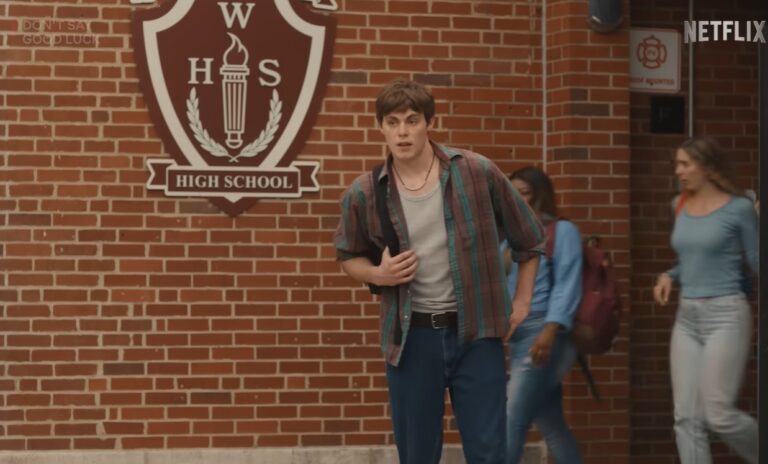
The new movie is scheduled to hit U.S. theaters on September 18, 2026, with a world premiere at Fantastic Fest the day before. Cregger, coming off Barbarian, is directing and co-writing the screenplay with Shay Hatten. Austin Abrams leads the cast as Bryan, an ordinary medical courier who gets caught in an outbreak that turns a routine delivery into a nightmare.
What immediately caught my attention is how small the story sounds compared with the enormous mythology behind Resident Evil. There is no indication that this movie wants to throw ten famous characters into the same room, explain the entire Umbrella Corporation timeline, and then spend two hours blowing things up.
Instead, it seems to be going back to something much simpler: one frightened person, one terrible night, and a city that has become completely unsafe.
Resident Evil 2026 Release Date and Theatrical Details
The Resident Evil 2026 movie release date in the USA is September 18, 2026.
The film will first premiere at Fantastic Fest on September 17, giving horror fans an early look before the movie receives its wider theatrical rollout.

This is also a movie designed for theaters rather than a streaming-first experiment. Sony Pictures is giving it a broad theatrical release, including premium formats and IMAX presentations.
The reported runtime is just 94 minutes, which I actually see as a positive. Horror movies often become less frightening when they start explaining everything. A tight runtime could keep the story moving and leave less room for unnecessary exposition.
| Detail | Resident Evil (2026) |
|---|---|
| U.S. Release Date | September 18, 2026 |
| World Premiere | September 17, 2026 |
| Director | Zach Cregger |
| Screenplay | Zach Cregger, Shay Hatten |
| Lead Actor | Austin Abrams |
| Runtime | 94 minutes |
| Studio | Columbia Pictures |
| Format | Theatrical, IMAX, Premium Formats |
| Setting | Snow-covered Raccoon City |
Zach Cregger Is Probably the Most Interesting Part of This Reboot
If you had told me a few years ago that the next major Resident Evil movie would be directed by the filmmaker behind Barbarian, I would have been much more interested than I was in another conventional franchise sequel.
Cregger understands something that has often been missing from Resident Evil adaptations: fear works best when the audience doesn’t feel completely safe.
Barbarian was good at creating uncertainty. You thought you understood where a scene was going, and then the movie would pull the floor out from under you. That kind of storytelling could work extremely well with Resident Evil, particularly if Cregger is willing to resist the temptation to reveal every monster and every plot twist in the trailers.
Shay Hatten is another interesting addition. His credits include John Wick and Army of the Dead, so he brings considerably more experience with action and large-scale set pieces.
That combination could be surprisingly effective. Cregger can handle the atmosphere and psychological horror, while Hatten understands how to make a dangerous situation physically exciting.
The real question is whether the movie can balance those two sides without turning into another action film with zombies.
A New Raccoon City, Not Another Retelling
One of the most appealing elements of this reboot is that it isn’t simply rebuilding the story from Resident Evil: Welcome to Raccoon City.
The movie reportedly takes place in a modern version of Raccoon City and runs parallel to the events associated with Resident Evil 2. That gives the filmmakers room to use familiar ideas without becoming trapped by a direct adaptation of the game.
And I think that is the right approach.
Trying to recreate every famous game scene shot-for-shot would probably make the movie feel more like an expensive cosplay project than its own horror film. The games already exist. I would much rather see Cregger take the mood, isolation, puzzles, monsters, and survival mechanics that define Resident Evil and build a new story around them.
The modern setting could also add some genuinely interesting details.
A viral outbreak today doesn’t happen in a world without smartphones, instant messaging, GPS, social media, emergency alerts, surveillance cameras, and constant communication. Breaking those systems down could make the collapse feel disturbingly believable.
Who Is Bryan?
Austin Abrams plays Bryan, and this may be the biggest departure from previous Resident Evil protagonists.
Bryan isn’t introduced as an elite soldier, legendary police officer, government agent, or genetically enhanced superhuman.
He’s a medical courier.
That sounds almost deliberately ordinary, and I like it.
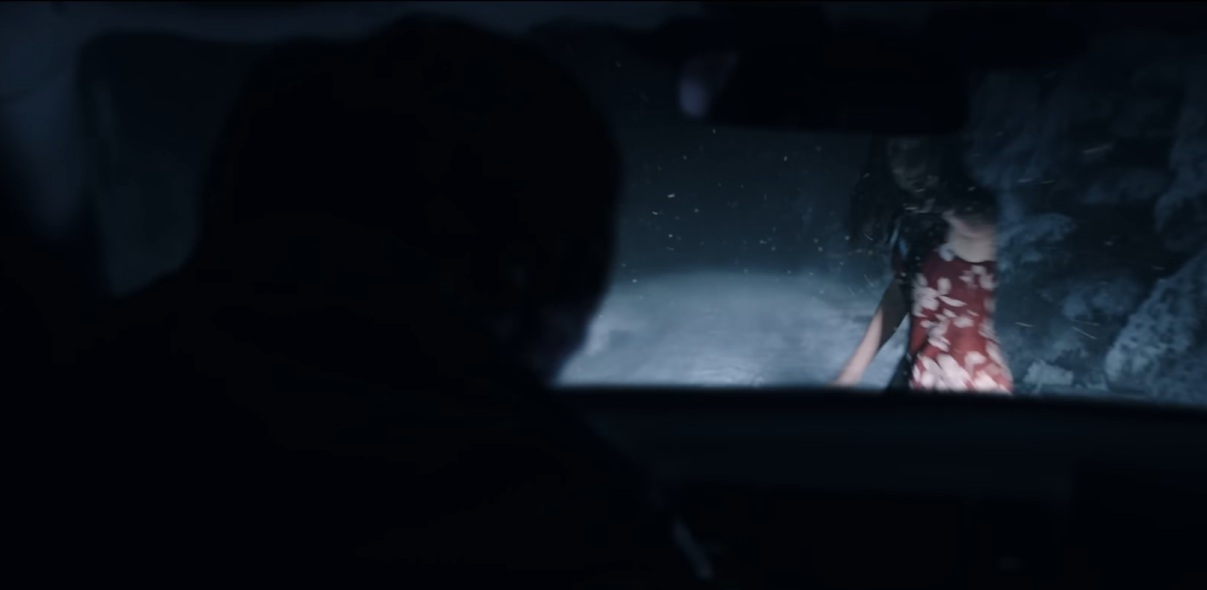
Imagine being sent to deliver something to a remote hospital because you need the money, only to discover that the people inside aren’t simply sick. The city is collapsing, communication is breaking down, and the things moving through the corridors aren’t human anymore.
Bryan’s lack of combat experience could make the action much more uncomfortable. When a trained character encounters a monster, the audience immediately assumes they have a chance.
With Bryan, every confrontation should feel like a terrible mistake.
That is where the survival horror element can really work.
Resident Evil 2026 Cast
Austin Abrams leads the movie, with several recognizable actors filling out the supporting cast.
The announced lineup includes:
- Austin Abrams as Bryan
- Paul Walter Hauser
- Zach Cherry
- Kali Reis
- Johnno Wilson
The mystery surrounding the supporting characters is actually something I hope the marketing keeps intact.
I don’t need to know who everyone is before walking into the theater. In fact, I would prefer not to.
Resident Evil has always benefited from the feeling that something terrible is happening just outside the player’s field of view. If the movie can preserve that same uncertainty, the supporting cast could become much more interesting.
The Snowy Raccoon City Setting Looks Perfect for Horror
The visual direction may end up being one of my favorite things about this movie.
Production reportedly took place in Prague, with the city transformed into a snow-covered version of Raccoon City.
That immediately gives the movie an identity.
We’ve seen countless dark cities, abandoned laboratories, underground facilities, and rainy streets in horror movies. Snow creates a different kind of isolation. It makes the environment look beautiful while simultaneously making escape more difficult.
You can hide things in darkness, but snow can also reveal movement.
Footprints.
Blood.
Something standing too far away in a white street.
That contrast between beautiful winter scenery and grotesque horror is exactly the sort of visual idea I want from this reboot.
The production also reportedly leaned heavily on practical effects, with Legacy Effects involved in creating monsters and physical creature effects.
As someone who grew up watching practical creature effects, I’m very happy about this.
CGI can look fantastic, but there is something unsettling about seeing an actor physically react to a creature that is actually standing in front of them. The weight, lighting, shadows, and imperfections can make monsters feel much more tangible.
The Resident Evil 2026 Trailer Has the Right Tone
Sony’s marketing campaign began with a teaser in April 2026, followed by a larger trailer in July and another theatrical trailer in September.
The early footage reportedly focuses heavily on Bryan’s isolation.
One of the teaser’s central ideas is a voicemail to his girlfriend while he’s trapped inside the unfolding disaster. Rather than immediately showing every creature, the footage uses dark corridors, frosted windows, strange movement, and brief monster glimpses.
That’s exactly how I want these trailers handled.
Show me enough to make me curious, not enough to ruin the movie.
The snowy Raccoon City setting is also becoming a major part of the marketing, and the footage reportedly emphasizes narrow streets, hospital corridors, infected civilians, and fast-moving creature attacks.
The more I see of the approach, the more I think this movie could benefit from resisting the typical blockbuster rhythm.
Let the silence breathe.
Let Bryan walk through an empty corridor for a few seconds too long.
Then put something behind him.
That’s Resident Evil.
Practical Monsters Could Be a Huge Advantage
The monster work is another reason I’m cautiously optimistic.
Legacy Effects has a long history of creating physical creatures, prosthetics, animatronics, and special effects for major productions. Using that expertise for Resident Evil could give the film a much more physical horror aesthetic.
The franchise has some wonderfully strange creatures to work with, but the movie doesn’t need to show everything immediately.
In fact, less might be more.
A glimpse of something crawling across a ceiling can be scarier than a full creature reveal. A strange sound behind a locked door can create more tension than a five-minute fight.
That’s particularly important for a 94-minute movie.
There simply isn’t enough time for endless monster showcases, so every creature encounter needs to count.
Monster The Lizzie Borden Story Netflix Season 4 Release Date Episodes Cast True Story
Why I’m More Interested in This Resident Evil Than the Previous Movies
I’ve never needed a Resident Evil movie to reproduce the games perfectly.
What I want is the feeling.
The locked doors.
The limited resources.
The strange notes left behind by people who clearly knew something was wrong.
The sound of something moving somewhere you can’t see.
The realization that the safe room might be the only place where you can breathe.
That’s what makes Resident Evil special to me.
The 2026 reboot appears to understand that the franchise doesn’t need to become bigger to become better. It needs to become scarier.
A grounded protagonist, a modern outbreak, a snow-covered Raccoon City, practical monsters, a relatively short runtime, and Zach Cregger behind the camera is a combination that could finally produce a Resident Evil movie with its own personality.
I’m still keeping my expectations under control. Horror movies can look fantastic in trailers and completely lose their nerve once the full story begins. And the decision to tell a new story parallel to Resident Evil 2 carries its own risks.
But there is a reason this particular reboot has my attention.
For once, I’m not looking at a Resident Evil movie and wondering how many explosions it will contain.
I’m wondering what is hiding at the end of that hallway.
And honestly, that’s a much better question.