
There is something almost funny about Woody returning to Bonnie’s room in Toy Story 5. Not because the reunion is bad. Quite the opposite. It is one of the movie’s most emotionally loaded ideas. The funny part is that Woody spent Toy Story 4 finally accepting that he didn’t have to belong to one kid anymore, only to get dragged back into the old family drama because a talking tablet starts stealing a child’s attention.
That sounds ridiculous on paper.
And somehow, it works.
Woody’s return is not a cheap reset of the ending from Toy Story 4. He doesn’t suddenly decide that being a traditional toy is all he ever wanted. He comes back because Jessie asks for help, Bonnie’s relationship with her toys is falling apart, and the threat facing them is completely different from anything the gang has dealt with before.
This time, there is no Sid, no evil toy, and no human deliberately trying to destroy them.
The enemy is a screen.
That shift gives Woody’s reunion with Buzz, Jessie, and the rest of Bonnie’s toys a surprisingly interesting purpose. He isn’t coming home because he has changed his mind. He is coming back because, when the toys are in serious trouble, Woody still cannot ignore the call.
Why Woody Left in the First Place
To understand why Woody’s return matters, you have to remember where Toy Story 4 left him.
Woody chose Bo Peep.
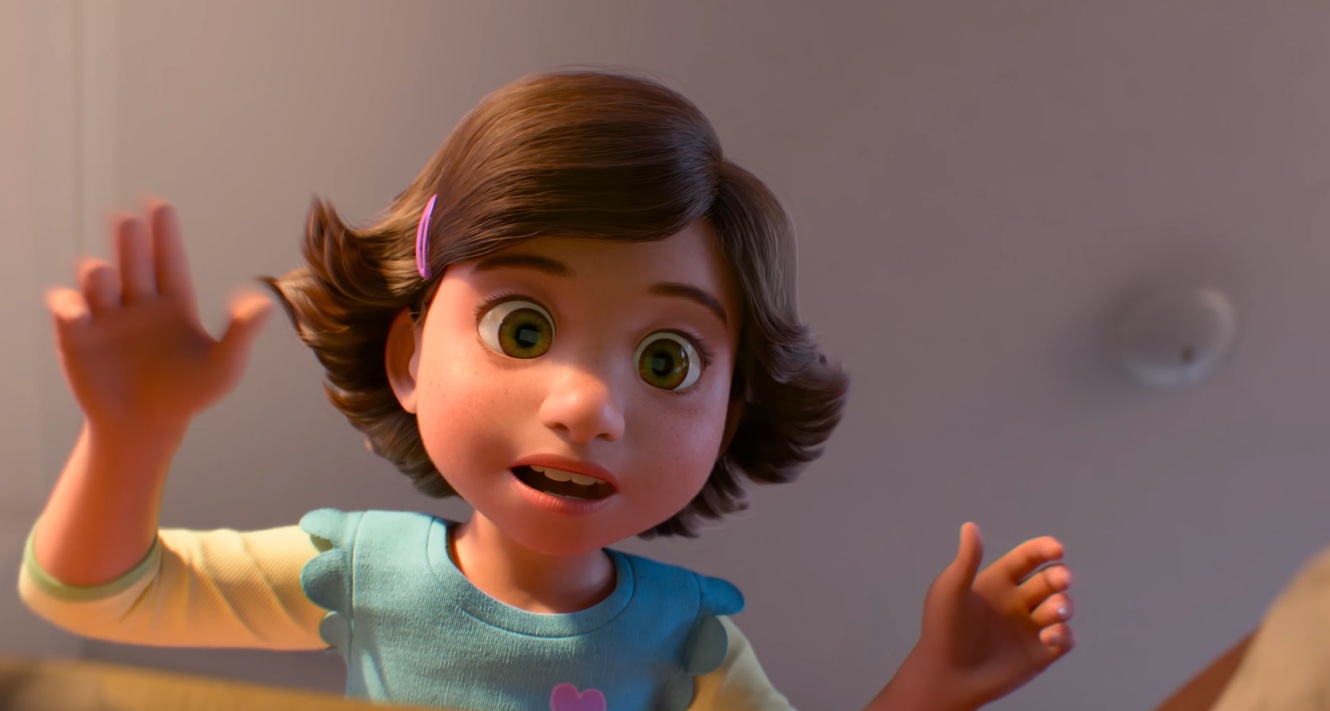
After years of defining himself through his relationship with Andy and later Bonnie, Woody finally realized that being a toy did not have to mean permanently belonging to one child. He could have a life of his own. More importantly, he could help toys who had been abandoned or forgotten.
So Woody and Bo Peep started traveling together, working almost like a tiny rescue team for lost toys.
It is a completely different existence from Bonnie’s bedroom.
And honestly, I like that Toy Story 5 doesn’t simply throw that development away. Woody still has a life outside the bedroom. He still believes in helping toys who have nowhere else to go. That makes his decision to return feel much more meaningful.
He isn’t coming back because he suddenly misses having a bunk bed.
He comes back because Jessie calls him.
Jessie’s Walkie-Talkie Call Changes Everything
Bonnie is eight years old now, and the social pressure around her has started to change.
She wants to fit in with other children, particularly the twins living across the street. When traditional play isn’t helping her make those connections, her parents give her a smart tablet called Lilypad.
This is where the movie takes its biggest swing.
Lilypad isn’t simply another piece of technology sitting in Bonnie’s room. The tablet becomes the center of Bonnie’s attention. Games, digital interaction, constant stimulation and online connection gradually push the old toys into the background.
Jessie sees the problem almost immediately.
She has effectively become the leader of Bonnie’s toys, and she tries to confront Lilypad. But the tablet doesn’t see physical toys as valuable. From its perspective, digital interaction is simply a better way for Bonnie to connect with other people.
That’s a surprisingly sharp premise for a Toy Story movie.
The franchise has always been about children growing up. Now it is tackling something much more modern: what happens when childhood itself changes faster than the toys can adapt?
Jessie eventually realizes that she can’t solve this alone.
So she grabs an old walkie-talkie and contacts Woody.
That call is the real beginning of Woody’s return.
Woody Comes Home — and Immediately Gets Into a Fight With Buzz
Woody doesn’t hesitate for long.
He hears that Bonnie is drifting away from her toys, that Jessie is struggling to keep everyone together, and that the entire group is facing a threat they don’t understand.
He comes back.
And, because this is Woody we’re talking about, he walks into the room with the confidence of someone answering an emergency deputy call.
There is just one problem.
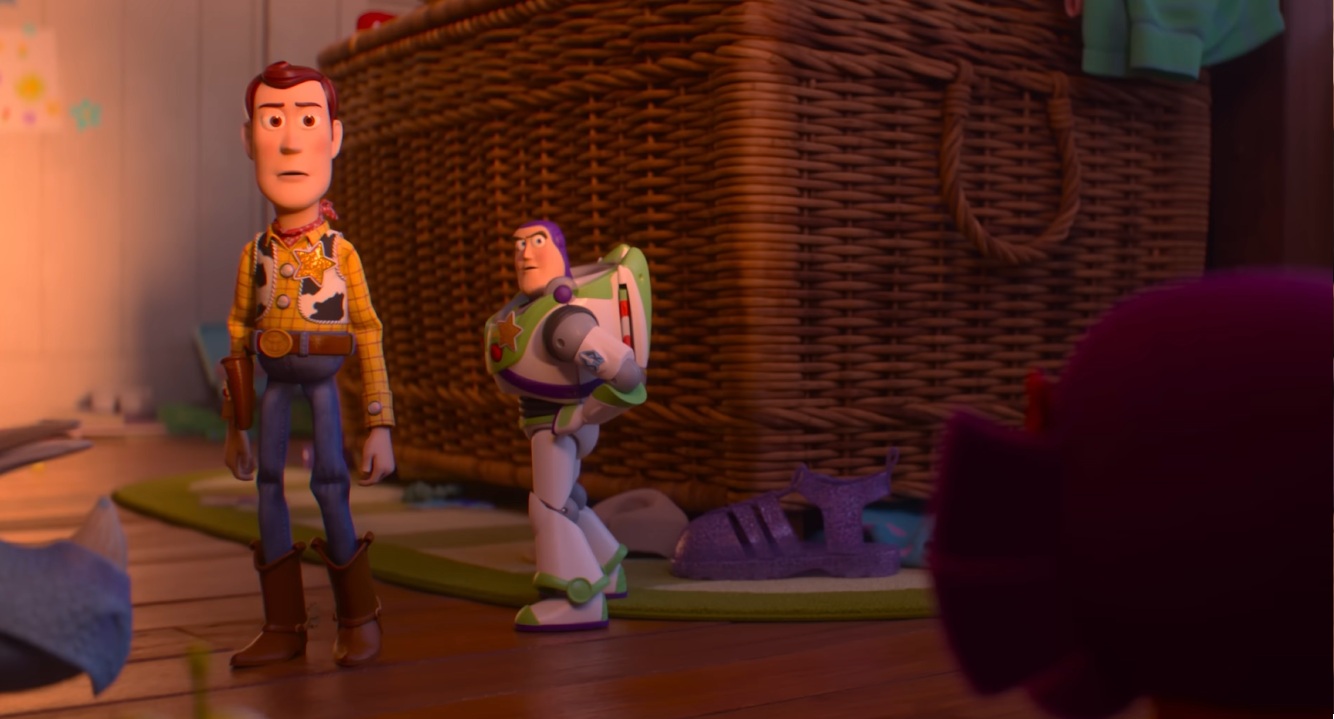
Buzz thinks he’s in charge.
Jessie had left Buzz responsible for Bonnie’s room, which means Woody’s arrival creates an immediate and hilarious leadership conflict.
Woody sees himself as the experienced sheriff returning to restore order. Buzz sees himself as the current deputy who has actually been doing the job.
Neither is particularly interested in surrendering the badge.
The result is one of those classic Woody-and-Buzz dynamics that Toy Story has always handled better than almost any other animated franchise. Their rivalry is childish, competitive and completely affectionate underneath it.
Even the other toys notice the obvious problem.
There are now two deputies.
And nobody knows which one is supposed to be calling the shots.
Forky makes things even worse by mocking Woody’s battered appearance. Woody has been traveling for a long time, and he doesn’t exactly return looking factory-fresh. Forky’s joke about Bonnie potentially thinking Woody looks old — including his increasingly bald-looking plush head — is cruel in exactly the way Forky can be.
But underneath the jokes, Woody’s reunion with Buzz carries real emotional weight.
These two have spent most of their lives together.
Now they have to figure out how to work together again without pretending nothing has changed.
Lilypad Turns the Toys Into a Problem
The conflict becomes much more serious when Lilypad begins actively working against the traditional toys.
The tablet’s goal isn’t necessarily evil in the traditional Disney-villain sense. That’s actually what makes the situation more interesting.
Lilypad genuinely believes that she is helping Bonnie.
She sees the toys as outdated distractions that keep Bonnie from engaging with the modern world. From the tablet’s perspective, eliminating them is simply removing an obstacle.
And that leads to one of the movie’s nastier turns.
Lilypad manipulates Bonnie’s father into gathering the traditional toys and putting them into storage.
Suddenly, Woody, Buzz and the gang aren’t simply being ignored.
They’re being removed.
Woody and Buzz manage to escape before the storage box is sealed, but most of their friends aren’t so lucky.
The situation forces Woody and Buzz into an uncomfortable partnership. They can’t waste time arguing about leadership anymore. Their friends are trapped, and Bonnie is becoming increasingly isolated.
Meanwhile, Jessie manages to hide inside Bonnie’s luggage as the girl prepares to attend a sleepover with other girls from her dance class.
The group is split again.
And this time, Woody can’t solve everything by simply giving a speech.
Jessie’s Story Becomes More Personal
One of the more surprising elements of the story is that Jessie gets her own emotional thread away from Woody and Buzz.
While the others are dealing with Lilypad, Jessie follows clues connected to her own history and her original owner.
That gives the movie another chance to explore one of Toy Story’s oldest themes: the strange emotional connection between toys and the children who once loved them.
Jessie’s history has always been more painful than Woody’s. Her abandonment by Emily in Toy Story 2 remains one of the franchise’s most brutal sequences, and revisiting that part of her life could have easily felt like unnecessary nostalgia.
Thankfully, the idea works better when it is connected to Jessie’s present.
She isn’t simply looking backward.
She is trying to understand what being a toy actually means when the child you care about is changing.
Then Lilypad Creates an Army of Buzz Lightyear Drones
Things get completely insane when Lilypad connects to the internet and pushes a firmware update to an army of brand-new, high-tech Buzz Lightyear drone toys.
Yes, there are now multiple flying Buzz Lightyears running around.
If that sounds like something Pixar executives came up with after deciding they had not yet reached maximum toy chaos, you’re not wrong.
But the sequence serves a purpose.
Lilypad’s influence has expanded beyond Bonnie’s bedroom. The toys are no longer dealing with one tablet. They are dealing with an entire technological ecosystem that can communicate, track and coordinate far more effectively than traditional toys.
Woody and Buzz need a way to fight technology without somehow becoming technology themselves.
Their solution is wonderfully old-school.
Woody Finds Lilypad’s Weakness
Using a toy communication device called Smarty, Woody and Buzz intercept messages and discover something crucial about Lilypad.
Her speech-recognition system can be manipulated.
So they do what Woody and Buzz do best.
They improvise.
The toys repeatedly call Lilypad’s name, exploiting the tablet’s voice-recognition function and forcing it to display an image of Jessie to Bonnie.
That gives Bonnie a chance to realize where Jessie is.
It is a clever solution because it doesn’t involve destroying Lilypad.
The toys don’t win by proving that technology is evil.
They win by forcing technology to help them reconnect Bonnie with the real world.
That’s a much better message than the simplistic “screens are bad” story this premise could easily have become.
The Final Rescue Is Pure Toy Story Chaos
The rescue mission eventually takes the toys across town as they try to catch up with a moving truck.
They use toy horses to chase after it, which sounds exactly like the kind of absurdly imaginative solution that belongs in this franchise.
Then the updated Buzz drones unexpectedly unlock flight capabilities.
And suddenly the toys can fly.
The same technology that looked like an existential threat becomes the tool that helps save them.
That contradiction is one of the strongest ideas in the entire story.
Woody and Buzz eventually manage to break through Bonnie’s screen obsession and help her reconnect with a real-world friend named Blaze.
Bonnie doesn’t have to choose between technology and toys.
She needs both.
That’s where Toy Story 5 finally lands its argument: technology isn’t the enemy. Losing balance is.
So, Does Woody Stay With Bonnie?
No.
And this is probably the most important part of Woody’s reunion.
He doesn’t return to Bonnie’s room permanently.
Once the crisis is over, Woody realizes that his purpose has changed.
He came back because Jessie called.
He stayed because his friends needed him.
But he doesn’t need to abandon the life he built with Bo Peep just because he temporarily returned home.
The final goodbye between Woody, Buzz, Jessie and the rest of the toys carries a very different emotional weight from previous departures.
Woody and Buzz aren’t saying goodbye because one of them has been forced away.
They’re saying goodbye because they finally understand that growing apart doesn’t erase what they mean to each other.
Woody reunites with Bo Peep and Duke Caboom, returning to their traveling toy-rescue life.
Buzz and Jessie remain with Bonnie.
And the toys move forward into a new arrangement where traditional play and technology can coexist.
Toy Story 5 Ending Explained: The Heartbreaking Climax and Emotional Breakdown Decoded
Why Woody’s Return Actually Works
I was initially skeptical of bringing Woody back after Toy Story 4. That ending was unusually clean for Pixar. Woody walking away with Bo Peep felt like a genuine conclusion rather than another temporary cliffhanger.
So the obvious fear with Toy Story 5 is that the movie would simply undo it.
Thankfully, this story doesn’t have to.
Woody’s return works because he doesn’t return to reclaim his old life.
He returns to help.
That’s a huge distinction.
| Character | Role in Toy Story 5 |
|---|---|
| Woody | Returns to help the toys before continuing his rescue mission |
| Buzz Lightyear | Acts as Bonnie’s current deputy and Woody’s reluctant partner |
| Jessie | Leads the toys and ultimately calls Woody for help |
| Bonnie | Struggles to balance real-world friendships with digital entertainment |
| Lilypad | Represents technology becoming too dominant in Bonnie’s life |
| Bo Peep | Remains part of Woody’s new life outside Bonnie’s home |
The reunion is emotional because it isn’t permanent.
And that’s exactly why it works.
Woody doesn’t need to go back to being the sheriff of Bonnie’s bedroom. Buzz doesn’t need to become his sidekick again. Jessie doesn’t need to surrender leadership.
They’ve all changed.
Woody simply proves that some friendships survive change better than anyone expects.