When I first pressed play on 72 Hours, I expected exactly what Netflix had been advertising: Kevin Hart, ridiculous bachelor party chaos, drugs, criminals, bad decisions, and enough Miami nightlife to keep the energy high for two hours. Honestly, that’s what the trailers promised.
What surprised me wasn’t the comedy.
It was everything hiding underneath it.
The more I thought about the movie after the credits rolled, the more it felt like 72 Hours isn’t really about a bachelor party at all. It’s about something almost everyone in their twenties, thirties, or forties can recognize—the awkward, sometimes uncomfortable collision between Millennials and Gen Z.
Sure, there are explosions of comedy, ridiculous misunderstandings, cartel problems, and Kevin Hart doing what Kevin Hart does best. But strip away the chaos and there’s a surprisingly thoughtful story about growing older, losing relevance, and discovering that younger people aren’t as different as we sometimes pretend they are.
Joe Isn’t Trying to Party—He’s Trying to Stay Relevant
Kevin Hart’s Joe Nixon immediately feels familiar.
He’s successful on paper.
- Corporate job.
- Nice apartment.
- Long-term girlfriend.
- Career ambitions.
Yet something feels… stuck.
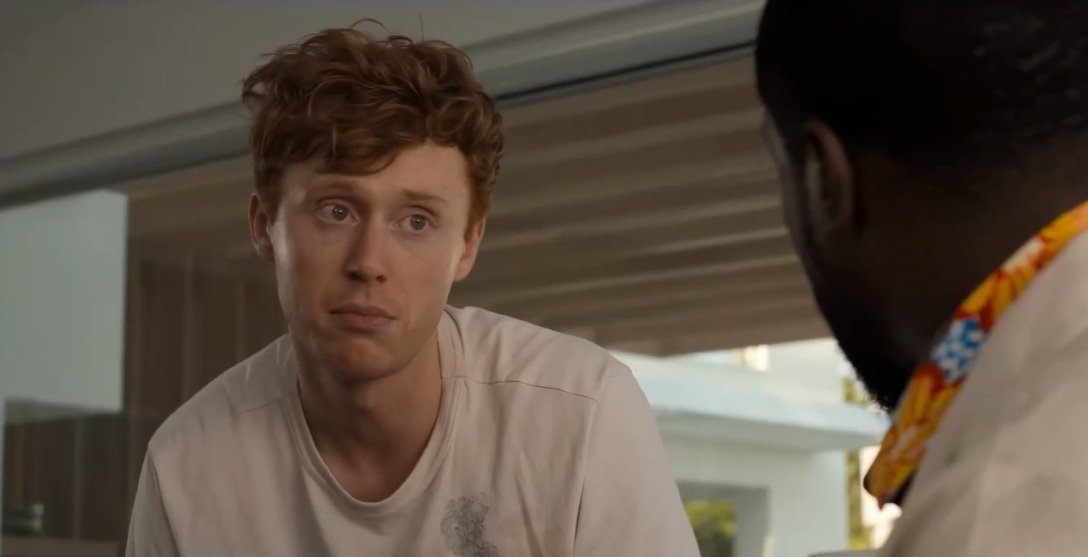
His advertising ideas suddenly seem outdated, his bosses think he’s losing touch with younger audiences, and for the first time in years, Joe realizes he might actually be getting old.
Not physically.
Culturally.
That’s a fear a lot of Millennials probably understand better than they’d like to admit.
The accidental group chat invitation becomes much more than a funny setup. It represents crossing into someone else’s digital world—a place that isn’t really meant for him.
Instead of accepting that, Joe tries to buy his way inside.
- Luxury mansion.
- VIP experience.
- Unlimited alcohol.
- Expensive upgrades.
He assumes money automatically earns authenticity.
It doesn’t.
That’s probably one of my favorite ideas in the movie.
The Emotional Gap Hits Harder Than the Age Gap
One scene completely changes how you look at the younger characters.
Before heading out for another wild night, the group actually stops to check in emotionally.
- No jokes.
- No sarcasm.
- No pretending everything is fine.
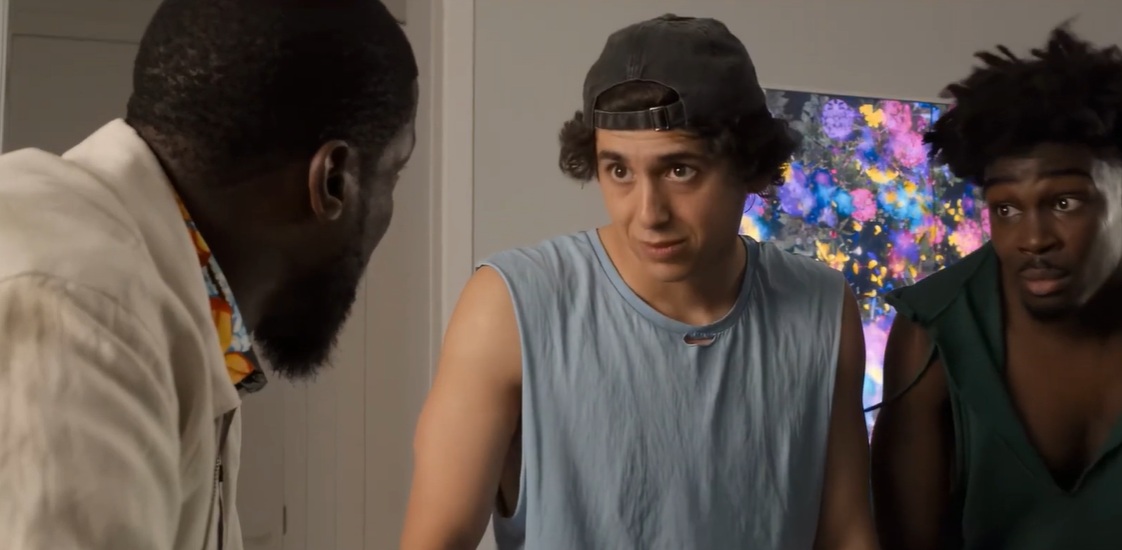
They openly talk about breakups, anxiety, relationships, and fears.
Joe can barely process what’s happening.
To him, male friendship has always meant hiding weakness behind jokes, drinking, and acting tougher than you actually feel.
The younger guys don’t see vulnerability as weakness.
They treat it as normal.
That contrast says far more about modern masculinity than any speech could.
Watching Joe react almost feels like watching two entirely different versions of adulthood sitting at the same table.
| Millennial Mindset (Joe) | Gen Z Mindset (The Group) |
|---|---|
| Hide insecurity | Talk about insecurity |
| Success defines identity | Mental health matters |
| Confidence is performance | Authenticity earns respect |
| Commitment feels restrictive | Commitment is meaningful |
Obviously the movie exaggerates these differences for comedy, but there’s enough truth inside the jokes that they actually land.
The 72-Hour Clock Isn’t Just a Deadline
The title becomes more interesting the longer you think about it.
Those three days almost exist outside normal life.
Nobody has work.
Nobody has responsibilities.
Nobody has to deal with tomorrow.
It’s temporary freedom.
But that’s exactly the point.
Joe keeps acting like life can stay paused forever.
He avoids committing to Jennifer.
He avoids accepting that younger coworkers have different ideas.
He avoids admitting he’s scared.
Miami becomes less of a vacation and more of an emotional pressure cooker.
Every ridiculous situation pushes him closer to facing realities he’s spent years avoiding.
That’s why the increasingly absurd events actually work.
The chaos isn’t random.
It’s externalizing everything Joe refuses to confront.
Ricardo Montana Is Peak Midlife Crisis
The cocaine sequence is probably the funniest part of the movie, but it’s also the saddest.
Joe transforms into his imaginary crime boss alter ego, Ricardo Montana, channeling every old-school gangster fantasy imaginable.
At first it’s hilarious.
Then it becomes painfully revealing.
Joe isn’t becoming stronger.
He’s hiding inside someone else’s idea of strength.
Instead of admitting fear, he performs confidence.
Instead of honesty, he chooses fantasy.
Meanwhile, the younger guys don’t admire it.
They’re embarrassed.
That reaction perfectly captures one of the movie’s smartest observations.
A lot of older pop culture celebrated dominance.
Modern audiences are much more interested in authenticity.
Watching Joe desperately cling to an outdated version of masculinity while everyone around him sees through it is both funny and surprisingly uncomfortable.
Nobody Actually Wins the Generation Argument
One thing I appreciated is that 72 Hours never turns into a lecture about which generation is better.
That would’ve been easy.
Instead, everyone learns something.
Joe discovers that emotional honesty doesn’t make someone weak.
The younger group realizes emotional intelligence alone isn’t enough when everything falls apart.
When real danger arrives, Joe’s experience matters.
He stays calm.
He protects everyone.
He makes difficult decisions.
Those aren’t outdated qualities.
They’re valuable.
At the same time, Joe finally understands that vulnerability isn’t something to avoid.
It’s something that allows relationships to grow.
That balance makes the ending feel earned instead of preachy.
Why So Many Viewers Connected With It
Scrolling through discussions after watching the film, one thing stood out.
People weren’t just quoting jokes.
They were talking about Joe.
Some viewers saw their parents.
Others saw themselves.
Some admitted they’ve become the person constantly saying, “Kids these days…”
Others realized they’ve unfairly dismissed older generations without recognizing the experience they bring.
That’s probably why 72 Hours has generated more conversation than many recent Netflix comedies.
People expected laughs.
They didn’t expect to recognize themselves.
My Biggest Takeaway
I don’t think 72 Hours is trying to say Millennials are broken or Gen Z has everything figured out.
If anything, it argues the opposite.
Every generation develops strengths because of the world it grows up in.
- Millennials learned resilience during economic uncertainty.
- Gen Z normalized conversations around mental health.
- Older generations understand commitment through experience.
- Younger generations question traditions that no longer make sense.
The movie suggests those perspectives aren’t enemies.
They’re missing pieces of the same puzzle.
That’s why the final scenes work so well.
After seventy-two ridiculous hours filled with parties, arguments, criminals, panic, and genuine friendship, nobody walks away unchanged.
Joe doesn’t magically become young again.
The younger guys don’t suddenly become older.
Instead, they meet somewhere in the middle.
And honestly, that’s probably the most realistic ending the movie could have delivered.
For a comedy packed with outrageous situations and nonstop jokes, 72 Hours quietly asks a question that’s becoming more relevant every year.
What if the biggest gap between Millennials and Gen Z isn’t age at all?
What if it’s simply that neither side spends enough time listening to the other?