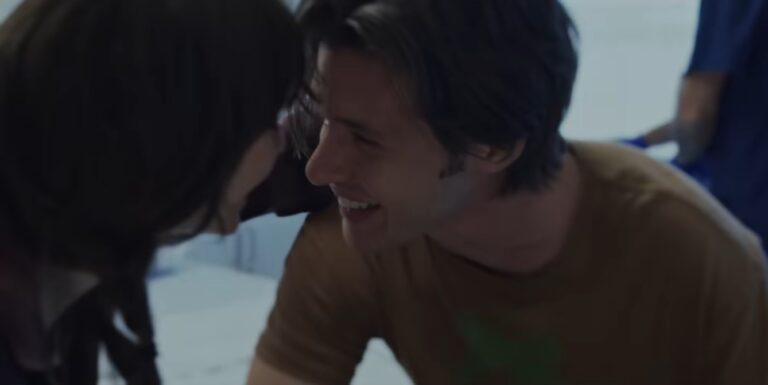
When I first saw people asking whether 72 Hours was based on a true story, my reaction was simple: seriously? Then I looked at the premise again, and honestly, I understood the confusion. A random group chat invitation, a bachelor party with complete strangers, social media chaos, awkward generational humor—it sounds exactly like the kind of bizarre event that would explode on Reddit or TikTok before ending up on Netflix.
That doesn’t make it real.
The biggest surprise is how many viewers walked away convinced that Kevin Hart’s latest comedy came from an actual viral incident. The movie feels grounded just enough to blur the line between fiction and reality, and that was clearly part of the plan. Still, once you dig beneath the marketing and internet rumors, the answer becomes much simpler.
Is 72 Hours Actually Based on Real Events?
No.
Despite countless discussions online, 72 Hours is not based on a true story. Joe Nixon isn’t a real advertising executive, and there was never a documented case of a middle-aged marketing professional accidentally joining a Gen Z bachelor party before spending three insane days in Miami.

The screenplay was created as an original comedy rather than an adaptation of one specific event.
That said, calling it “completely invented” would also miss part of the picture.
The writers borrowed an idea that already feels familiar because the internet has been producing accidental text-message stories for years. Those real incidents have trained audiences to believe that almost anything involving smartphones and group chats could have actually happened.
That’s exactly why the movie works.
Why the Story Feels Surprisingly Believable
The smartest thing 72 Hours does isn’t the comedy.
It’s the setup.
Think about it:
- Someone gets added to the wrong group chat.
- Nobody notices immediately.
- One awkward conversation snowballs into something ridiculous.
- Social media turns it into a viral sensation.
That sequence doesn’t sound fictional anymore. It sounds like Tuesday.
We’ve all seen screenshots of accidental conversations that somehow became lifelong friendships, family reunions, vacations, or complete disasters. The internet has normalized these stories so much that 72 Hours almost tricks viewers into believing they’re watching a dramatized version of one of them.
Instead of relying on impossible situations, the film begins with something painfully ordinary.
That’s a much stronger hook than another over-the-top Hollywood coincidence.
The Real Viral Stories Everyone Keeps Comparing It To
The movie isn’t adapted from a single headline, but several famous internet moments echo its premise.
The most recognizable example is the accidental Thanksgiving invitation that unexpectedly connected strangers and eventually became a yearly tradition. A mistaken text message turned into genuine friendship, proving that random digital mistakes sometimes produce surprisingly wholesome outcomes.
Then there’s another story that feels even closer to 72 Hours.
Years ago, a man accidentally received an invitation to a bachelor party from people he’d never met. Instead of ignoring it, he joked that he’d happily join if they helped cover the travel costs.
They actually did.
What started as a simple mistake became a real weekend with complete strangers and eventually a viral news story.
Sound familiar?
The movie basically asks one question:
What if that exact situation happened… but everything went completely off the rails?
That’s where fiction takes over.
Joe Nixon Is Fictional, But His Midlife Panic Feels Real
The bachelor party isn’t really the heart of the movie.
Joe is.
Kevin Hart plays a character terrified that he’s becoming irrelevant. His career depends on understanding younger consumers, yet every conversation reminds him he’s completely disconnected from their world.
Honestly, that’s the most believable part of the entire film.
Corporate marketing constantly chases internet culture.
Brands desperately try to sound younger.

Executives throw around trending slang that was already outdated six months earlier.
Anyone who’s spent five minutes on social media has watched companies embarrass themselves trying to look “cool.”
Joe simply takes that desperation to an absurd extreme.
Instead of reading analytics reports, he decides to conduct field research by partying with people twenty years younger than himself.
It’s ridiculous.
It’s also exactly the kind of terrible decision an anxious comedy protagonist would make.
Why So Many Viewers Were Fooled
Netflix deserves some credit—or maybe some blame—for this.
The promotional campaign leaned into a style that looked almost documentary-like.
- Quick phone footage.
- Vertical videos.
- Party clips.
- Chaotic recordings.
Everything resembled the kind of content people consume every day through TikTok, Instagram Reels, or YouTube Shorts.
That aesthetic quietly tells your brain:
“This could have actually happened.”
Once enough people begin asking whether something is real, others assume there’s probably a reason for the question.
The rumor feeds itself.
Before long, social media is full of posts asking where the “real Joe Nixon” is today—even though he never existed.
Reality vs. Fiction
| Movie Element | Reality |
|---|---|
| Joe Nixon | Fictional character |
| Miami bachelor party | Fictional story |
| Wrong group chat invitation | Happens regularly in real life |
| Corporate obsession with youth trends | Very real |
| Viral mistaken text stories | Real, but unrelated to this movie |
| Three-day comedy adventure | Pure Hollywood exaggeration |
The Movie Is Really About Getting Older
Underneath all the partying, drinking, and ridiculous situations sits a surprisingly recognizable fear.
Nobody wants to wake up one day and realize the world has moved on without them.
Joe isn’t chasing a bachelor party.
He’s chasing relevance.
Every awkward interaction with younger characters reminds him that language changes, trends evolve, and the internet never waits for anyone.
That anxiety is real.
The yacht parties, arrests, and outrageous set pieces obviously aren’t.
The comedy lands because the emotional insecurity underneath everything feels genuine.
72 Hours Movie Metaphorical Meaning: The Gen Z vs Millennial Generation Gap Explained
My Take
Personally, I think 72 Hours is much stronger when you stop expecting some hidden “based on actual events” twist.
If you’re looking for historical accuracy, you’re watching the wrong movie.
If you’re expecting a fast-paced comedy that pokes fun at corporate culture, social media obsession, and the endless battle between Millennials and Gen Z, there’s plenty to enjoy.
Could some jokes have been sharper?
Absolutely.
A few scenes stretch the premise further than they need to, and some of the party chaos feels like standard Hollywood excess instead of clever writing.
But the central idea deserves credit.
It starts with one believable mistake and keeps asking, “What’s the worst decision this guy could make next?”
The answer is almost always exactly what Joe chooses.
That’s where most of the laughs come from.
The Final Answer
No matter how convincing the setup feels, 72 Hours is not inspired by one true story.
Its characters, bachelor party, and Miami adventure were created specifically for the film. The screenplay simply borrows energy from the internet’s endless collection of accidental texts, wrong-number conversations, and viral misunderstandings that have fascinated people for years.
That’s probably why the movie keeps generating the same question online.
The premise feels authentic because we’ve already seen pieces of it happen in real life.
The difference is that real accidental group chats usually end with an apology.
In 72 Hours, they end with Kevin Hart funding one of the most chaotic bachelor weekends imaginable—and that’s where reality quietly steps aside so comedy can take over.