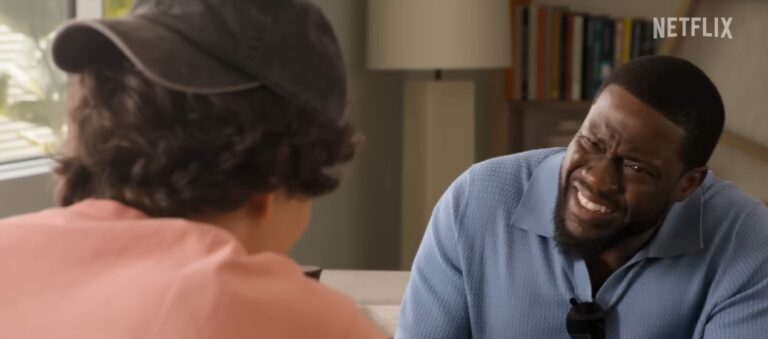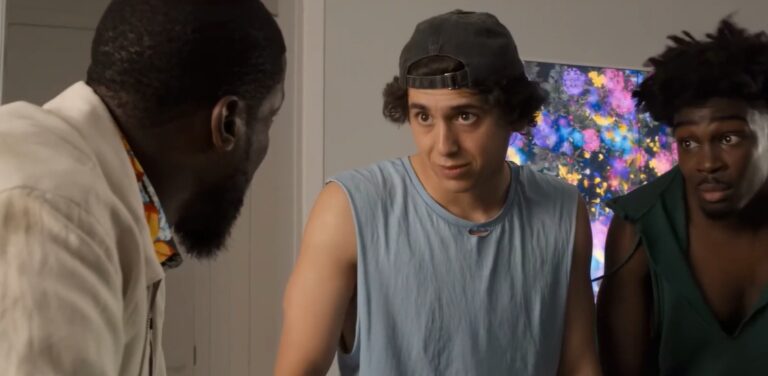
When I finished watching 72 Hours (2026), I expected my biggest takeaway to be the ridiculous Miami chaos, the nonstop jokes, and Kevin Hart doing what Kevin Hart always does best—talking himself into disasters. Instead, I kept thinking about something much quieter.
The final group chat.
That probably sounds strange considering the movie spends most of its runtime throwing cocaine jokes, bachelor party disasters, kidnappings, and cartel encounters at the audience. Yet the ending isn’t really about any of that. The last few scenes quietly reframe everything that came before them, turning what initially feels like another wild R-rated comedy into a surprisingly thoughtful story about getting older without losing yourself.
I don’t think 72 Hours is pretending to be a deep drama, but I also don’t think its emotional ending is accidental.
Joe Was Never Chasing Gen Z—He Was Chasing His Younger Self
At first glance, Joe Nixon looks like someone trying to understand younger people because his career depends on it.
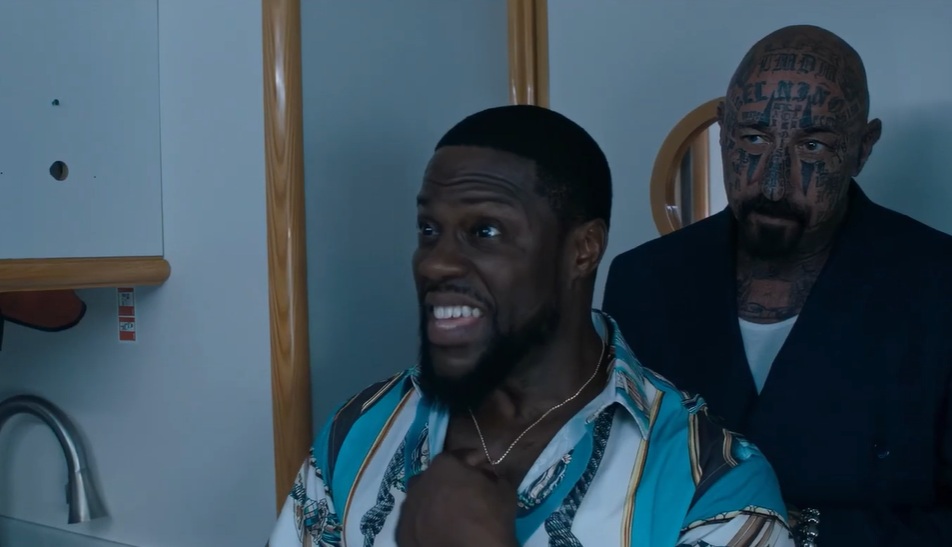
He’s a successful advertising executive whose bosses have decided he’s officially “too old” to understand modern culture. Every campaign he pitches gets dismissed as outdated, and suddenly the promotion he’s worked toward for years feels out of reach.
Then life throws him an unexpected opportunity.
A simple texting mistake drops him into a bachelor party group chat filled with strangers in their twenties preparing for a weekend in Miami.
Joe sees data.
The audience sees comedy.
But looking back after the ending, that group chat represents something much more personal.
Joe isn’t really studying Gen Z.
He’s desperately trying to prove—to himself more than anyone—that he hasn’t become irrelevant.
Miami Is Just One Long Midlife Panic Attack
Almost everything that happens in Miami is intentionally exaggerated.
- Joe tries way too hard.
- He forces slang that nobody uses.
- He references movies younger characters barely recognize.
- He invents ridiculous alter egos.
- He constantly performs instead of simply existing.
Kevin Hart has built an entire career around energetic characters who refuse to slow down, and 72 Hours cleverly turns that familiar personality into the central joke.
The louder Joe becomes, the clearer it is that he’s terrified.
Not of criminals.
Not of getting caught.
Not even of embarrassing himself.
He’s terrified that adulthood has already passed him by.
The Young Characters Aren’t Who Joe Expected
One detail I appreciated is how the movie refuses to turn the younger cast into stereotypes.
Joe expects them to be:
- Afraid of commitment.
- Emotionally detached.
- Obsessed with internet culture.
- Incapable of serious relationships.
Instead, nearly every assumption he makes turns out to be wrong.
Mason is genuinely excited to get married.
Hunter openly talks about heartbreak instead of hiding it.
Nick has ambition beneath all the jokes.
Even Freshman—who exists mainly for absurd comedy—occasionally says things that unexpectedly cut through the chaos.
That’s probably the biggest surprise in the script.
Joe spends the movie believing younger people have abandoned traditional ideas about adulthood.
Instead, they’re often handling adulthood better than he is.
The Wedding Changes the Entire Tone
The jump forward to Mason’s wedding is one of my favorite decisions in the movie.
After so much noise, the story suddenly slows down.
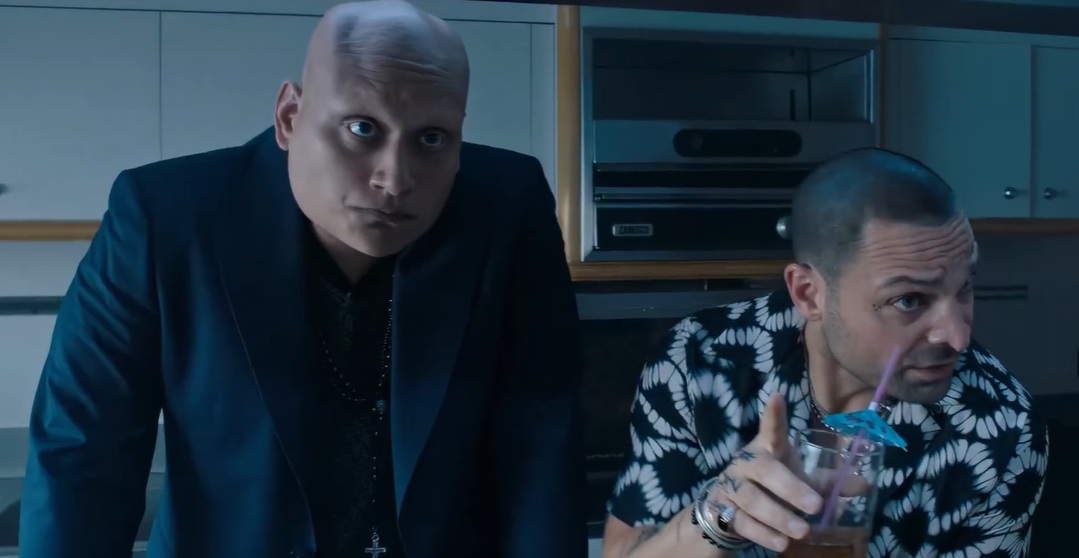
Nobody is running.
Nobody is fighting.
Nobody is pretending to be cooler than they actually are.
That change of pace lets every character breathe.
Joe’s career also takes an unexpected direction.
Rather than returning to his company hoping his Miami experience somehow earns him a promotion, he walks away altogether.
I actually liked this choice more than the predictable Hollywood ending where the hero wins over skeptical executives.
Instead, Joe admits that chasing trends was never the answer.
Creating something authentic was.
Starting his own agency feels less like a career victory and more like accepting who he really is.
Jennifer Isn’t Just a Reward
One thing that could easily have gone wrong is Joe’s relationship with Jennifer.
Thankfully, the movie avoids making her feel like a prize waiting at the finish line.
Throughout the story, she represents stability.
Joe represents hesitation.
When he finally proposes, it doesn’t work because he suddenly delivers the perfect romantic speech.
It works because his actions finally match his words.
- He’s willing to relocate.
- He’s willing to compromise.
- He’s finally making decisions instead of postponing them indefinitely.
That’s real character growth.
The Emotional Check-In Is the Scene That Matters Most
If someone asked me what the movie is actually about, I wouldn’t point to the cartel storyline.
I’d point here.
Earlier in the film, Joe mocks the younger group’s habit of checking in with each other emotionally.
He clearly thinks it’s awkward.
Maybe even unnecessary.
By the ending, he’s the one asking everyone how they’re genuinely feeling.
That tiny reversal says more about his journey than any action scene could.
Nobody laughs.
Nobody mocks him.
Nobody tells him he’s being soft.
For a comedy built around nonstop jokes, it’s surprisingly sincere.
Why the Group Chat Works So Well
The group text isn’t just a plot device.
It quietly evolves alongside Joe.
| Beginning of the Film | End of the Film |
|---|---|
| Random mistake | Chosen friendship |
| Marketing opportunity | Personal support system |
| Research project | Genuine connection |
| Age gap | Shared experience |
| Temporary conversation | Ongoing brotherhood |
I really like this transformation because it happens naturally.
The chat starts as an accident.
It ends as something everyone wants to keep.
That feels surprisingly believable in a world where so many friendships now begin online.
The Ending Doesn’t Pretend Joe Is Perfect
Another reason the finale worked for me is that Joe doesn’t suddenly become a different person.
He’s still awkward.
Still talks too much.
Still overthinks things.
Kevin Hart never abandons the personality fans expect.
The difference is that Joe finally stops pretending he’s twenty-five.
That’s a much healthier ending than simply “learning how to be cool again.”
Why Viewers Can’t Agree on the Finale
The online reaction makes complete sense because the movie almost feels like two different films stitched together.
Some viewers argue the emotional payoff arrives too late after nearly ninety minutes of outrageous comedy.
That’s a fair criticism.
The tonal shift is dramatic.
Others—including myself—think that contrast is exactly why the ending sticks.
If the movie had remained loud until the credits rolled, it probably would’ve been forgotten within a week.
Instead, the quieter final scenes leave people talking.
Whether you love the ending or not, it’s definitely the part most audiences remember.
Kevin Hart Might Be Playing Himself More Than We Think
Watching Joe struggle with relevance feels impossible to separate from Kevin Hart’s own career.
Hart has spent years playing energetic underdogs who refuse to back down.
Here, he plays someone wondering whether that version of himself still fits today’s world.
That gives 72 Hours a layer I honestly wasn’t expecting.
Joe doesn’t “beat” Gen Z.
He learns from them.
That’s a much more interesting message than another story about an older character proving younger people wrong.
My Take on the Ending
I wouldn’t call 72 Hours a perfect comedy.
Some jokes land better than others, and parts of the Miami storyline definitely go on longer than necessary.
But I also think people undersell what the movie is trying to do beneath all the chaos.
The final wedding sequence reframes Joe’s entire journey.
The accidental group chat becomes proof that meaningful friendships can appear in unexpected places.
The proposal shows that commitment isn’t the end of adventure.
The emotional check-in demonstrates that vulnerability doesn’t make someone weak.
Most importantly, Joe finally realizes he doesn’t have to keep chasing youth in order to enjoy life.
That’s a lesson plenty of people—regardless of age—can probably relate to.
When the credits begin and the group chat lights up one more time, it isn’t teasing another joke or setting up a sequel. It’s reminding us that the best thing Joe found during those seventy-two crazy hours in Miami wasn’t career inspiration or social media relevance.
It was a group of people who helped him stop running from the life he actually wanted.