Snowfall is over, but I’m honestly relieved that FX didn’t just leave this world buried with Franklin Saint. The new spinoff, The Drop: A Snowfall Saga, takes a risky turn away from the crack cocaine empire that defined the original series and drops Wanda Bell and Leon Simmons into 1990s Los Angeles, where another kind of hustle is taking over: hip-hop.
That change of direction could have been painfully forced. Thankfully, the premise actually makes sense. South Central hasn’t magically healed after the devastation shown in Snowfall. The drugs, gangs, police pressure, poverty, and broken families are still there. What changes is the opportunity. The streets that once fueled the drug trade are now feeding a music industry hungry for authentic voices from the neighborhood.
And that is where Wanda and Leon find themselves on opposite sides of a very complicated fight.
Leon and Wanda Relationship in The Drop: A Snowfall Saga – Ultimate Evolution Analysis
Where The Drop Picks Up After Snowfall
The story moves into the early 1990s, after the worst years of the crack epidemic have already left their scars across Los Angeles. The era is changing, but the people living through it don’t get the luxury of simply starting over.
This is probably the smartest part of the spinoff concept. The Drop isn’t pretending that the end of one criminal economy means the end of exploitation. The game has changed. The players have changed. The money certainly hasn’t disappeared.
Instead of kilos and territory, the new prizes are record contracts, radio exposure, publishing rights, artists, and ownership. That creates a fascinating parallel with the original series. Franklin Saint wanted to build a legitimate empire while remaining trapped by the system he helped create. Now Wanda and the young artists around her are entering another machine that promises freedom while potentially taking everything from them.
Wanda Bell Wants More Than Survival
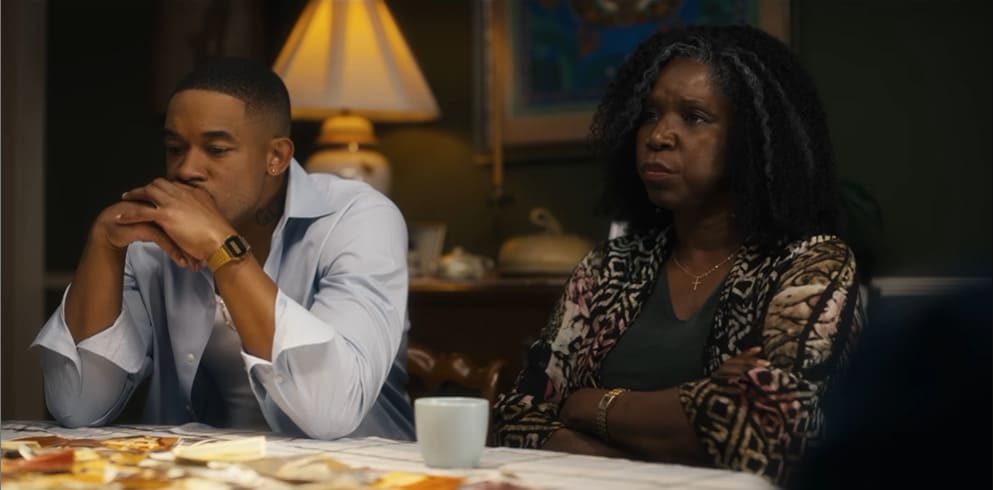
Wanda Bell is no longer the woman viewers watched struggle through addiction and the brutal consequences of life around the drug trade. Her return is one of the biggest reasons I’m interested in this show, because she has something to prove and, unlike many characters in Snowfall, she actually gets a chance to build something.
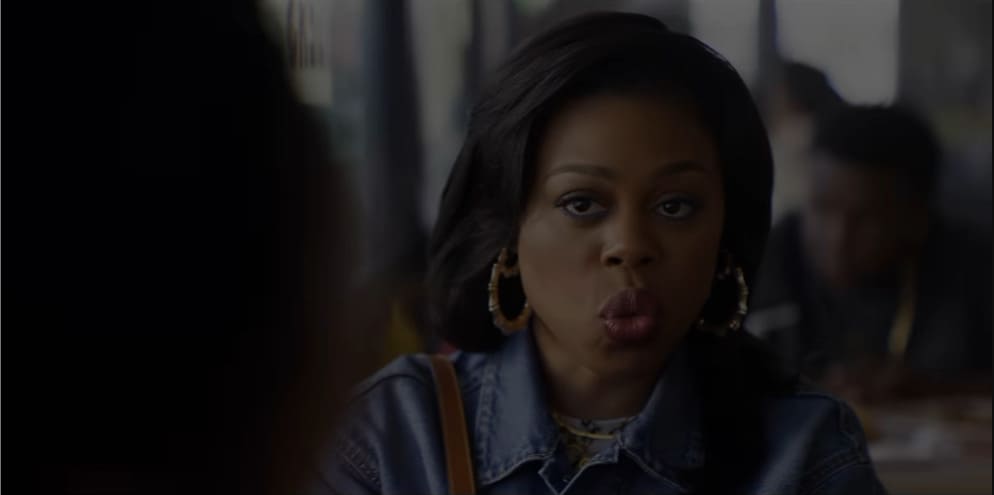
Played again by Gail Bean, Wanda enters the music business with enormous ambition. She believes West Coast hip-hop can become more than entertainment. To her, it is a way for South Central to tell its own story instead of having outsiders define it.
Her opportunity comes through Darryl “DG” Grant, played by Brandon Mychal Smith. DG is a former drug dealer who has successfully moved into the record business. That detail immediately raises a red flag for me — and I mean that as a compliment. If Snowfall taught us anything, it’s that supposedly legitimate success rarely comes without a price.
Wanda’s job is essentially to find raw talent and turn it into something the industry can sell. Her crew includes musicians who have incredible potential but also come with baggage, street connections, and enemies.
She wants to create an empire. The problem is that she may be building it inside another dangerous system.
Leon Simmons Is Trying to Break the Cycle
Leon’s storyline is almost the complete opposite.
When Snowfall ended, Leon had something incredibly rare: a chance to walk away. He had money, freedom, and enough perspective to understand what the drug trade had done to his community. His time in Africa only strengthened that perspective.
Now played once again by Isaiah John, Leon has abandoned the streets completely. His goal isn’t another fortune. It isn’t power. He wants to help people avoid becoming another generation of victims.
His solution is a free legal clinic in the neighborhood, where he works to protect young Black men from the prison system and help people trying to escape gang life.
And then there’s Wanda.
That relationship could become the emotional heart of The Drop. Wanda is trying to enter an industry that often turns street credibility into a commodity. Leon is trying to convince people that the street life itself has to end.
They both want a better South Central. They just have radically different ideas about how to get there.
The New Characters Could Make or Break the Series
The supporting cast gives Wanda a group of ambitious, talented, and occasionally reckless characters to manage.
- Lamar Kinsey, played by Asante Blackk, is Wanda’s cousin and a gifted producer who becomes an important creative force within her growing music operation.
- James Kinsey, played by Peyton Alex Smith, is Wanda’s other cousin and remains closely connected to the neighborhood’s shifting power dynamics.
- Artillery, played by West Coast artist Simmie Buddy Sims III, is a talented local rapper with a volatile personality and serious problems with law enforcement.
- DG Grant represents the bridge between the old criminal economy and the new music-business establishment, giving Wanda access to opportunities she probably couldn’t reach on her own.
There are also several recognizable performers joining the ensemble, including Mykelti Williamson, Nicki Micheaux, Eric Balfour, and Richard Portnow. Quincy Chad also returns from the original Snowfall cast, giving longtime viewers another connection to the world they already know.
The Music Industry Is the New Battlefield
This is where I think The Drop has the potential to become genuinely interesting instead of simply being “Snowfall, but with rappers.”
The early 1990s were a ridiculous period for hip-hop in the best and worst possible ways. West Coast rap exploded into the mainstream, and record labels suddenly realized that the culture they had previously ignored could make them enormous amounts of money.
That created an ugly contradiction. Artists from communities that had spent decades being ignored suddenly became extremely valuable — but the corporations buying their music often had little interest in giving those communities real control.
That sounds very familiar if you watched Snowfall.
The original series was obsessed with the relationship between power and exploitation. The Drop appears ready to ask the same question through another industry: what happens when your culture becomes the product?
| Character | Role in The Drop | What They Represent |
|---|---|---|
| Wanda Bell | Music entrepreneur and talent builder | Ambition, reinvention, cultural ownership |
| Leon Simmons | Community advocate and legal clinic operator | Redemption, responsibility, breaking cycles |
| DG Grant | Record label power player | Street wealth transformed into corporate influence |
| Lamar Kinsey | Producer | Creative talent and musical ambition |
| Artillery | Rapper | The dangerous intersection of talent and street life |
Will Franklin Saint Return?
Here’s the question that is going to follow this show everywhere: Where is Franklin?
Damson Idris’ Franklin Saint became the face of Snowfall, so expecting fans to completely forget about him is unrealistic. His final fate was deliberately bleak. Franklin lost virtually everything and ended up wandering Los Angeles as a broken alcoholic, a devastating contrast to the young man who once dreamed of controlling an empire.
So yes, I absolutely understand why fans are obsessed with the possibility of a cameo.
Personally, though, I think The Drop needs to be careful here. A random Franklin appearance could feel like nothing more than fan service. If he returns, it needs to mean something. Franklin could be a living warning for Wanda’s artists — a reminder of what happens when ambition becomes more important than the people around you.
Even a brief appearance could carry enormous weight if it connects naturally to Leon and Wanda’s stories.
Why The 1990s Setting Matters
The period setting isn’t just decoration.
The clothing, cars, music, neighborhoods, recording studios, and early hip-hop culture give the series a completely different texture from Snowfall. But the underlying social tension remains familiar.
The beauty of the concept is that the characters are standing at the beginning of a cultural explosion. Nobody knows exactly how enormous West Coast hip-hop will become. The audience does, which creates an interesting dramatic advantage.
We know these artists are entering an industry that will eventually become global. They don’t. To them, every record deal, radio appearance, and studio session could be the opportunity of a lifetime.
And that makes the inevitable compromises much more interesting.
Eight Episodes to Prove Itself
The first season is planned as an eight-episode story, giving the series enough room to establish its characters without becoming another sprawling crime saga.
The show premiered on September 8 through FX and Hulu, with Disney+ handling international streaming. Episodes follow a weekly release structure, keeping the story moving rather than dumping the entire season at once.
For me, the biggest challenge isn’t whether The Drop can recreate the atmosphere of Snowfall. It shouldn’t. Trying to copy Franklin’s story would be pointless.
The real test is whether Wanda and Leon can carry a story that stands on its own while still feeling like it belongs to the same universe.
My Take on The Drop: A Snowfall Saga
I’ll admit I was skeptical when I first heard about the premise. Moving from crack cocaine to hip-hop sounds like the kind of spinoff idea that could easily become a cheap excuse to keep a popular franchise alive.
But the more I think about it, the more the connection works.
The drug game and the music business aren’t the same thing, obviously, but the show doesn’t need them to be. What connects them is the question of who gets to profit from a community’s pain, creativity, identity, and ambition.
Wanda represents the temptation to enter that machine and use it to build something powerful. Leon represents the desire to step outside the machine altogether and repair the damage left behind.
That conflict gives The Drop: A Snowfall Saga an actual reason to exist.
If the writers resist the urge to constantly remind us that this is a Snowfall spinoff, I think the series has a real shot at becoming its own thing. I want messy characters, uncomfortable choices, ugly consequences, and music-industry politics that don’t magically turn everyone into heroes or villains.
Most of all, I want the show to remember what made Snowfall hit so hard: ambition should have consequences.
Wanda may be chasing records instead of cocaine. Leon may be fighting the system instead of running from rival crews. But the question remains painfully familiar — how much are these people willing to sacrifice to get the future they believe they deserve?
That’s the part of The Drop I’m genuinely excited to see.
SEO Title: The Drop FX Plot Summary: Wanda, Leon, and Everything We Know About the Snowfall Spinoff