There is something genuinely exciting about seeing The Mandalorian and Grogu finally make the jump from Disney+ to the big screen. Star Wars has spent years building this particular corner of the galaxy through television, and this movie feels like a chance to make that world feel bigger, louder, and more cinematic without losing what made Din Djarin and Grogu such an unexpectedly great pair in the first place.
What I like most about the story is that it doesn’t simply throw another giant Imperial threat at them and call it a day. The movie leans heavily into the criminal underworld, the uneasy relationship between the New Republic and the Outer Rim, and, most importantly, the changing relationship between Din and Grogu.
There are plenty of spoilers ahead, so if you’re trying to go in completely blind, this is your warning.
Din Djarin Is No Longer Just a Bounty Hunter
The opening immediately establishes where Din and Grogu stand after the events of The Mandalorian Season 3.
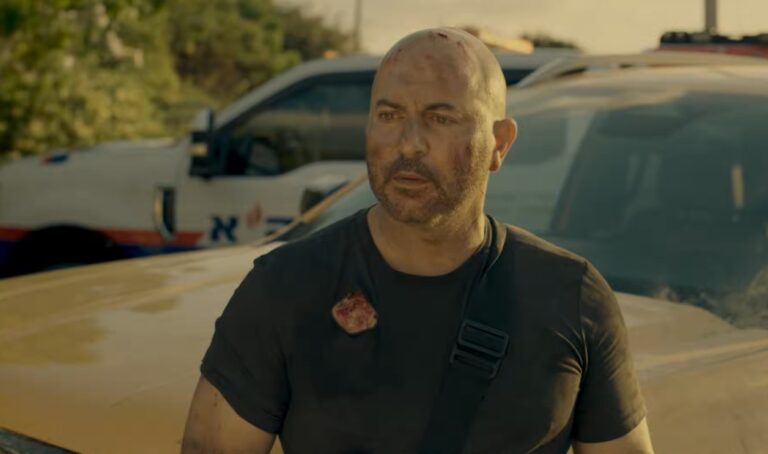
Din is still very much himself — quiet, stubborn and frighteningly efficient — but his role in the galaxy has changed. Rather than chasing random bounties for whoever pays the most credits, he has started working as a specialized contractor for the New Republic.
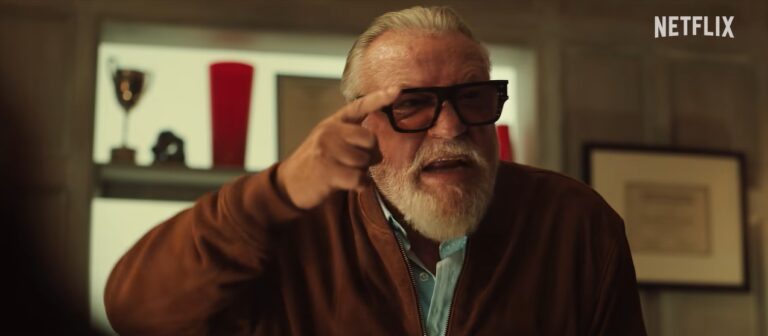
That’s where Colonel Ward, played by Sigourney Weaver, enters the story.
Ward isn’t interested in Din’s reputation or his Mandalorian code. She wants results. During their first major briefing, she makes it clear that his tendency to kill targets has become a problem because some of those people could have provided valuable intelligence.
Din’s response is basically peak Din Djarin: less talking, more action.
He makes it clear that if the New Republic gives him a target, he’ll deal with it.
The movie also gives him a new ship that deliberately resembles the Razor Crest, which is a nice bit of emotional fan service without simply pretending the original ship never mattered. For me, this works because the Razor Crest was such an important part of Din’s identity during the early seasons. Giving him something visually similar feels like acknowledging that history.
The Mission That Changes Everything
Ward’s next assignment sends Din and Grogu into Hutt-controlled territory.
Their target isn’t an Imperial officer or a dangerous bounty hunter. It’s Rotta the Hutt, Jabba the Hutt’s son and heir.
The situation is complicated. The powerful Hutt Twins have promised the New Republic valuable intelligence about an Imperial warlord named Janu Coyne. Their price is Rotta’s rescue.
That immediately creates an uncomfortable situation for Din.
He doesn’t want to become another hired gun for the galaxy’s criminal organizations. But Ward convinces him that the information could be crucial to stopping the Imperial remnants still operating in the Outer Rim.
So Din, Grogu and their allies head toward Nal Hutta.
And this is where the movie really starts to feel like a proper Star Wars underworld story.
Rotta the Hutt Is Surprisingly Different
Rotta isn’t portrayed as another Jabba.
That’s probably one of the more interesting choices in the movie.
Instead of embracing his family’s criminal empire, Rotta wants nothing to do with it. He has grown disgusted with the violence and corruption surrounding the Hutt legacy and would rather escape that world entirely.
Unfortunately for him, his family name makes him extremely valuable.
Din eventually discovers Rotta being forced to fight in a gladiatorial arena, where the young Hutt is used as entertainment for criminals and wealthy spectators.
The rescue sequence is exactly the sort of chaotic action you’d expect from a Mandalorian movie, but Rotta gets an opportunity to surprise everyone.
He isn’t helpless.
A young Hutt is apparently a terrifying physical force when properly motivated, and Rotta charges into the fight with enough raw strength to throw enemies around like they weigh nothing.
Din earns his respect, and Grogu becomes part of the unlikely rescue team.
For a brief moment, it looks like the mission might actually work.
Of course, this is Star Wars. Things don’t stay simple for long.
The Hutt Twins Turn on Them
The deal falls apart when the Hutt Twins realize that Rotta may become more independent than they expected.
They don’t want him becoming a legitimate political figure or undermining their influence over the Hutt Council. So they betray Din and refuse to provide the promised intelligence.
Then they hire Embo.
If you’ve followed the wider Star Wars universe, you know that bringing Embo into this story is a serious escalation. He’s exactly the kind of opponent who can make Din Djarin’s life miserable: experienced, ruthless and perfectly comfortable hunting someone who is heavily armed and wearing Beskar.
From here, the movie becomes a chase.
The characters move through several different worlds and environments, including:
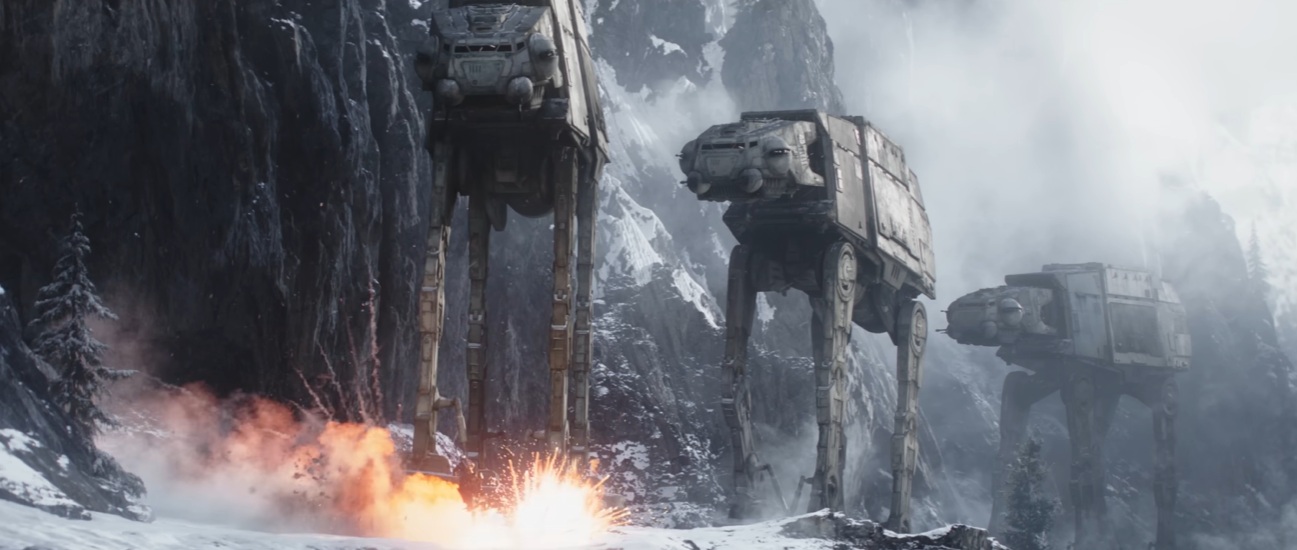
- Shakari, with its frozen and hostile landscape.
- Adelphi, a New Republic outpost.
- Nar Shaddaa, one of the galaxy’s most notorious criminal hubs.
- Nevarro, a location longtime Mandalorian viewers will immediately recognize.
That variety is one of the things I’d expect to work particularly well on the big screen. The story isn’t locked into one visual identity, and each location gives the chase a different flavor.
Grogu Finally Gets His Moment
The biggest emotional turn comes when Embo catches up with them.
Din is exposed to a powerful poison during the confrontation and is left badly weakened. For once, the armored Mandalorian isn’t the person keeping everyone else alive.
He’s the one who needs saving.
And that changes everything for Grogu.
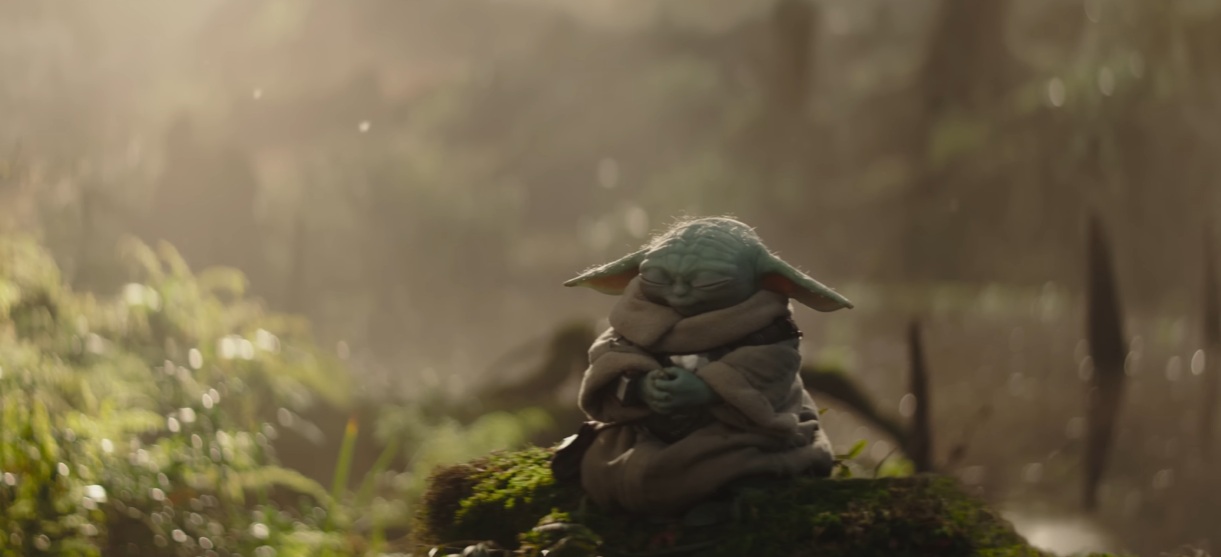
We’ve watched Grogu develop over several seasons, but this is arguably the clearest demonstration yet that he’s no longer simply the tiny creature Din has to protect.
Grogu takes responsibility.
While Din is incapacitated, Grogu uses the Force to defend him, move objects, control dangerous situations and even calm predatory creatures in the wilderness. He also uses Force healing to keep Din alive while they remain hidden from Embo’s forces.
The Anzellans also become important during this stretch, helping Grogu keep their equipment and ship functioning while the pair are effectively trapped.
I really like this part of the story because it reverses the original premise of The Mandalorian.
At the beginning of the series, Din was the protector and Grogu was the one being protected.
Now the roles are starting to overlap.
“This Is the Way” Takes on a New Meaning
When Din finally wakes up, he recognizes what has happened.
Their relationship has changed.
The idea that the older should protect the younger has always been central to Din’s worldview. But the movie expands that philosophy into something much more personal: sometimes the young have to protect the old, too.
That realization gives Din and Grogu the motivation to stop running.
They’ve spent enough time escaping from one enemy after another. If Embo and the Hutt syndicates can keep finding them, hiding isn’t going to solve anything.
So they decide to attack first.
And naturally, they don’t do it quietly.
The Final Battle on Nal Hutta
The final act brings the story back to the Hutt stronghold.
Din and Grogu launch a direct assault against the Twins’ heavily fortified estate, turning what started as a rescue mission into an all-out war against the criminal organization.
The New Republic eventually gets involved as well.
Once it becomes clear that Din and Grogu are in serious danger, New Republic forces send X-Wing starfighters to support them.
The result is a huge battle involving ground combat, aerial attacks and the eventual destruction of the Hutt stronghold.
It’s the sort of sequence that makes sense as the centerpiece of a theatrical Mandalorian story. The TV series could deliver impressive action, but this feels designed around the idea that Din and Grogu are finally being given a much larger cinematic playground.
What Happens to Rotta?
The ending gives Rotta a surprisingly optimistic future.
With the criminal threat defeated, Rotta rejects the legacy of Jabba and the Hutt criminal empire. Instead, he chooses a path toward legitimate political involvement with the New Republic.
That doesn’t magically erase generations of Hutt criminal history, but it gives the character an interesting direction.
Rotta could potentially become a bridge between the New Republic and parts of the galaxy that have traditionally operated outside its authority.
Meanwhile, Janu Coyne is captured, dealing another blow to the Imperial remnants still trying to operate in the Outer Rim.
Din Djarin Refuses to Become a Government Employee
One of my favorite character beats comes near the end.
Colonel Ward offers Din a permanent position within the New Republic.
On paper, it makes perfect sense. Din has proven himself repeatedly, and the Republic clearly needs people who understand the Outer Rim, bounty hunters and criminal organizations.
But Din says no.
Honestly, I wouldn’t have expected anything else.
He isn’t built for military bureaucracy. His entire character has been about learning to define his own path, even while remaining loyal to the people he cares about.
Instead, he agrees to continue helping the New Republic when necessary.
That leaves Din and Grogu with exactly the kind of freedom that makes their adventures work.
The Ending Is Really About Din and Grogu
The biggest takeaway from The Mandalorian and Grogu isn’t the capture of another Imperial warlord or the destruction of a Hutt fortress.
It’s the relationship between Din and Grogu.
They aren’t simply bounty hunter and passenger anymore.
They aren’t just protector and child.
They’re becoming partners.
Grogu can protect Din. Din can still protect Grogu. Neither role has to remain fixed, and that feels like a natural evolution of their relationship after everything they’ve experienced together.
The final image of the two flying away together works because it doesn’t feel like a definitive ending. If anything, it feels like the opposite.
There’s still an entire galaxy out there.
And now Din Djarin and Din Grogu are ready to explore it as equals.
Final Thoughts
What makes this story interesting to me is that it doesn’t completely abandon the smaller-scale identity that made The Mandalorian so popular. Yes, there are X-Wings, huge battles, criminal syndicates and a theatrical-scale finale, but the emotional heart remains surprisingly simple.
It’s about a father and son figuring out how to protect each other.
The Hutt storyline gives the movie a fresh corner of the Star Wars galaxy, while Grogu’s development provides the emotional payoff that the franchise has been building toward for years. And seeing Din refuse a permanent New Republic position feels perfectly consistent with the character we’ve followed since 2019.
If the goal was to make The Mandalorian and Grogu feel bigger without losing its personality, this story has a pretty good foundation.
The galaxy may be changing.
Din and Grogu are changing with it.
But they’re still flying off together when the credits roll — and honestly, that’s exactly where I’d want them.