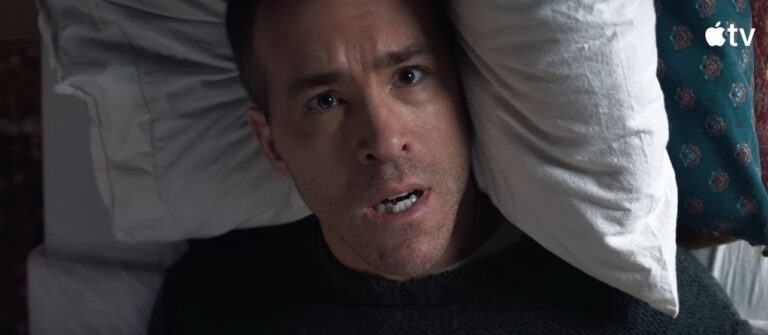
Slow Horses Season 6 has done something the Apple TV+ spy thriller has spent years avoiding: it has stopped playing by Mick Herron’s book-by-book rules. Instead of adapting one Slough House novel and moving neatly to the next, the sixth season pulls material from both Joe Country and Slough House.
On paper, that sounds like a smart solution. In practice, I’m considerably less convinced.
There is a strange confidence to Slow Horses Season 6’s book change. The series has built one of television’s most distinctive rhythms around Herron’s novels, mixing vicious workplace comedy, grim espionage and character drama without rushing any of it. Now the adaptation is deliberately squeezing two books into one six-episode story, and that inevitably raises a rather uncomfortable question: are the writers fixing a genuine structural problem, or simply trying to keep the entire cast on screen?
Slow Horses Emmy Awards 2026: Snubs, Wins, and Reddit’s Furious Reaction
Why Slow Horses Season 6 Is Combining Two Books
The reason becomes clearer when you look closely at Joe Country.
The sixth novel is excellent material for a book, but it presents a problem for television. Its story is more personal, more atmospheric and considerably less dependent on the full Slough House ensemble. Several characters who have become essential to the Apple TV+ adaptation simply don’t have enough to do.
That creates an obvious headache when your series is built around actors such as Gary Oldman, Kristin Scott Thomas and Jack Lowden.
Jackson Lamb is one of the biggest reasons people watch Slow Horses. The same is true of Diana Taverner. Leaving either character sitting on the sidelines for most of a season would be a difficult sell, particularly when the show’s greatest pleasure is watching these two professional snakes circle each other.
Season 6 director Adam Randall has explained that this was a major consideration behind the decision to combine the novels. The creative team reportedly felt that adapting Joe Country by itself would create an awkward imbalance in the television ensemble.
And honestly, I understand the argument.
But understanding the decision doesn’t automatically make me love it.

Joe Country and Slough House Are Very Different Stories
The real gamble is not simply adapting two books. It is finding a way to make two books with noticeably different narrative identities feel like one coherent season.
Joe Country is deeply concerned with the consequences of the past. It carries a heavy emotional atmosphere, explores old wounds and pushes characters into situations where personal history becomes impossible to escape. There is a coldness to the novel that works beautifully on the page.
Slough House, meanwhile, pushes the story toward a much broader conspiracy involving espionage, institutional power and retaliation.
Those ingredients can work together. In fact, they can potentially make for a more muscular television season. The problem is pacing.
When you compress two novels into six episodes, every scene has to justify its existence. Character moments have less room to breathe. Secondary storylines can suddenly feel like plot machinery. Emotional revelations that took hundreds of pages to develop have to arrive much faster.
That is where I think Season 6 becomes particularly interesting—and occasionally frustrating.
The Biggest Change Is the Rhythm
The earlier seasons of Slow Horses were unusually patient for modern streaming thrillers. They allowed awkward conversations to linger. They let characters make stupid decisions. They understood that a tense hallway conversation could be more entertaining than a gunfight.
Season 6 has a different job.
With material from two books competing for space, the season has to move.
The result is a story that increasingly shifts from the familiar Slough House workplace nightmare into something much closer to a traditional spy thriller. The danger becomes broader, the conspiracies become more complicated and the characters find themselves pulled into a situation where simply surviving the week is no longer enough.
That escalation is exciting. I just miss some of the breathing room.
Slow Horses has always been at its best when it remembers that the characters are more interesting than the machinery of the plot. Whenever Season 6 leans too heavily into conventional espionage spectacle, it risks becoming a slightly less interesting version of shows it has already surpassed.

Jackson Lamb Is Still the Secret Weapon
Gary Oldman remains the easiest reason to keep watching.
Jackson Lamb shouldn’t work as well as he does. He is rude, disgusting, manipulative and apparently committed to making every room he enters smell worse. Yet Oldman gives him enough intelligence and vulnerability to stop the character becoming a cartoon.
The concern with Joe Country was therefore understandable: if Lamb spends too much of the season away from the central action, the show loses one of its defining ingredients.
Bringing Slough House material into Season 6 solves that problem. Lamb once again becomes an active force rather than a supporting presence waiting for the story to catch up with him.
And whenever Oldman and Scott Thomas share a scene, the series suddenly feels like itself again.
Diana Taverner’s Importance Cannot Be Ignored
Kristin Scott Thomas’s Diana Taverner has also become far too important to bench for an entire season.
Her relationship with Lamb is one of the show’s most entertaining tensions because neither character completely trusts the other, yet both understand exactly how dangerous the other person can be.
Joe Country doesn’t give Taverner the same prominence that the television series demands. Combining it with Slough House allows the writers to bring her back into the larger political and espionage conflict.
From a television-production perspective, this makes obvious sense. From a literary-adaptation perspective, however, it changes the balance of Herron’s story.
That distinction matters. Season 6 isn’t simply adapting the novels anymore; it is adapting the television version of these characters.
River Cartwright Gets Pulled Back Into the Fire
Jack Lowden’s River Cartwright remains another major beneficiary of the restructuring.
River’s story has always been tied to questions of loyalty, identity and his complicated relationship with the intelligence service. He wants to become the kind of spy he believes he should be, while repeatedly discovering that MI5 is a much uglier institution than he imagined.
The Season 6 structure gives that conflict another push.
The return of Sid Baker, played by Olivia Cooke, is particularly significant. Sid was believed to have died after the events of the first season, so bringing her back isn’t a minor continuity trick. It immediately changes the emotional landscape surrounding River.
There is something wonderfully cynical about Jackson Lamb’s attitude toward supposedly dead spies. His suggestion that people in this business have faked their deaths before is exactly the kind of casually outrageous line that makes Slow Horses feel like Slow Horses.
More importantly, Sid’s return gives River something personal to fight for at a moment when the wider conspiracy threatens to overwhelm the individual stories.
What Book Fans Should Expect
If you’ve read Mick Herron’s novels, Season 6 is going to be an unusual experience.
Some major emotional beats from Joe Country remain relevant, but the surrounding architecture has been changed. The inclusion of Slough House means that even readers who know the source material cannot simply predict the television season scene by scene.
That is actually one of the more appealing consequences of the decision.
Book knowledge has never completely ruined Slow Horses, but knowing the destination can obviously reduce some of the tension. Combining two novels creates enough uncertainty to restore that feeling of genuine danger.
There is also a legitimate argument that television simply has different requirements from prose. Herron can disappear into a character’s thoughts for pages. A television episode has to turn those internal observations into behavior, dialogue and visual storytelling.
The adaptation therefore has to make choices.
I just wish every one of those choices felt equally convincing.
Is the Two-Book Season Actually Too Much?
| Element | What the Change Adds | What It Risks |
|---|---|---|
| Jackson Lamb | More screen time and a stronger role in the central conflict | Less space for the quieter material surrounding him |
| Diana Taverner | Keeps the Regent’s Park power struggle active | Changes the balance of the original novel |
| River Cartwright | Connects the larger conspiracy to his personal history | Can make his storyline feel overloaded |
| Sid Baker | Creates a major emotional hook for longtime viewers | Raises questions about how much new material the season can comfortably handle |
| Pacing | Creates a faster, more urgent thriller | Some emotional beats may not receive enough room |
The Six-Episode Problem
This is the part that bothers me most.
Six episodes is not a huge amount of television when you’re adapting material from two novels. Slow Horses has an enormous ensemble, and practically every character now arrives with baggage, relationships and unresolved business.
Add two separate books, a returning character, Regent’s Park politics, Slough House comedy and a major espionage threat, and suddenly every episode is carrying a very heavy backpack.
The danger isn’t that the story becomes boring. Quite the opposite. The danger is that it becomes too busy.
There are moments when I would happily trade another twist for five extra minutes with a character simply sitting in a room, arguing, lying or revealing something uncomfortable. That is where this series has traditionally been brilliant.
What This Means for Future Seasons
The good news for fans is that this doesn’t appear to signal the collapse of the adaptation formula.
Season 6 is being treated as an unusual structural experiment rather than a permanent abandonment of Herron’s novel order. Apple TV+ has renewed the series beyond this season, with future installments expected to continue drawing from the later Slough House books.
That means the two-book structure can be viewed as a strategic detour rather than the new normal.
And perhaps that is exactly what the show needs.
After five seasons, Slow Horses has earned the right to experiment. The alternative would be mechanically repeating the same adaptation pattern forever simply because it worked before.
My Take on the Slow Horses Season 6 Book Change
I’m torn.
I completely understand why the writers didn’t want to spend an entire season sidelining Jackson Lamb and Diana Taverner. That would be a strange decision for a television series whose success depends so heavily on its ensemble chemistry.
The combination of Joe Country and Slough House also gives Season 6 a useful advantage: even readers who know Herron’s work have fewer guarantees about where the story is heading.
But the price is obvious. The more material the season absorbs, the greater the pressure becomes to move quickly. And Slow Horses isn’t merely entertaining because things happen. It is entertaining because of how things happen—the uncomfortable pauses, ugly conversations, petty rivalries and strange little character moments that make Slough House feel like a real workplace populated by deeply dysfunctional people.
When Season 6 remembers that, it is still exceptional television.
When it becomes another fast-moving spy thriller with familiar faces attached, I’m much less interested.
So yes, the Slow Horses Season 6 book change is bold. It may even prove to be the right adaptation decision. But it also exposes the central problem of adapting Herron’s novels for television: sometimes the material that looks easiest to remove is precisely what made the story special in the first place.
For now, I’m happy to see the show take the risk. I just hope it doesn’t mistake more plot for better Slow Horses.