
If someone had pitched me the plot of A Toxic Love Story as a fictional psychological thriller a few years ago, I probably would have rolled my eyes. Fake pregnancies, anonymous cyberstalking, twisted revenge, manipulated investigations, Craigslist traps—it sounds like the kind of screenplay critics would dismiss as “trying too hard.”
Then I watched the documentary.
The most unsettling part isn’t how bizarre the story becomes. It’s realizing that almost every shocking twist actually happened. Netflix’s A Toxic Love Story isn’t simply another crime documentary chasing viral headlines. It’s one of those rare cases where reality quietly destroys every expectation you’ve built from years of watching detective dramas.
This Story Starts Like Every Crime Documentary… Then Completely Changes Direction
At first, everything seems painfully familiar.
A recently married couple begins receiving disturbing threats from an anonymous online stalker. Suspicion naturally falls on an ex-fiancée who supposedly refuses to move on. Law enforcement appears confident they’ve found their culprit, and the evidence looks convincing enough that many viewers probably assume the mystery has already been solved.

That was exactly where the documentary fooled me.
Instead of building toward proving the obvious suspect guilty, every new piece of evidence slowly tears apart everything viewers think they know. The deeper investigators dig, the less the original story makes sense.
That’s where A Toxic Love Story becomes genuinely addictive.
Rather than relying on dramatic reenactments or sensational editing, the documentary leans heavily on interviews, investigation records, and digital evidence. Watching investigators slowly realize they’ve been chasing the wrong person feels almost surreal.
The Internet Becomes the Perfect Weapon
One reason this documentary resonates so strongly in 2026 is because it feels frighteningly modern.
The central crime isn’t built around physical violence at first.
It’s built around information.
- Anonymous emails.
- Fake online identities.
- Digital footprints.
- Carefully crafted lies.
Every notification, every Craigslist post, every threatening message pushes the investigation toward an innocent woman who suddenly finds herself treated like a dangerous criminal.
That idea alone is terrifying.
Most people assume digital evidence never lies.
This case quietly demonstrates that digital evidence is only as reliable as the story surrounding it.
The Craigslist Twist Still Feels Impossible
Without giving away every detail too early, one section of the documentary genuinely made me stop watching for a few minutes.
The infamous Craigslist advertisements.
Instead of simple harassment, someone created explicit online posts inviting strangers to participate in what they described as a consensual fantasy scenario.
The instructions told visitors to ignore resistance.
Ignore screams.
Ignore pleas for help.
Reading those posts today is disturbing enough.
Realizing that strangers actually arrived believing the advertisements were genuine is almost impossible to process.
The documentary handles these moments carefully, never turning them into cheap shock value. Instead, it focuses on the terrifying consequences of how anonymous internet platforms can be manipulated by someone determined enough.
Every Twist Somehow Gets Even Stranger
One thing I appreciated is that the film never rushes toward its biggest revelations.
Just when viewers believe they’ve uncovered the mastermind, another layer collapses.
Some of the most unbelievable discoveries include:
- A fabricated pregnancy used to strengthen a relationship.
- Threatening emails apparently sent by the supposed victim herself.
- Digital evidence pointing somewhere investigators never expected.
- Years of manipulation hiding beneath what initially looked like an ordinary breakup.
Normally, stacking this many twists into one documentary would feel ridiculous.
Here, every revelation is backed by documented evidence, making the experience even more uncomfortable.
The Person Everyone Trusted
Perhaps the documentary’s strongest decision is refusing to present obvious heroes and villains from the beginning.
The audience naturally places trust in authority figures.
After all, why wouldn’t they?
When someone with law enforcement experience explains events confidently, it’s easy to accept their version without asking too many questions.
Watching that confidence slowly unravel becomes one of the documentary’s most compelling aspects.
It isn’t just about uncovering who committed crimes.
It’s about exposing how easily assumptions become accepted facts once enough people repeat them.
Why Michelle Hadley’s Story Hits the Hardest
For me, the emotional center of the documentary isn’t the investigation.
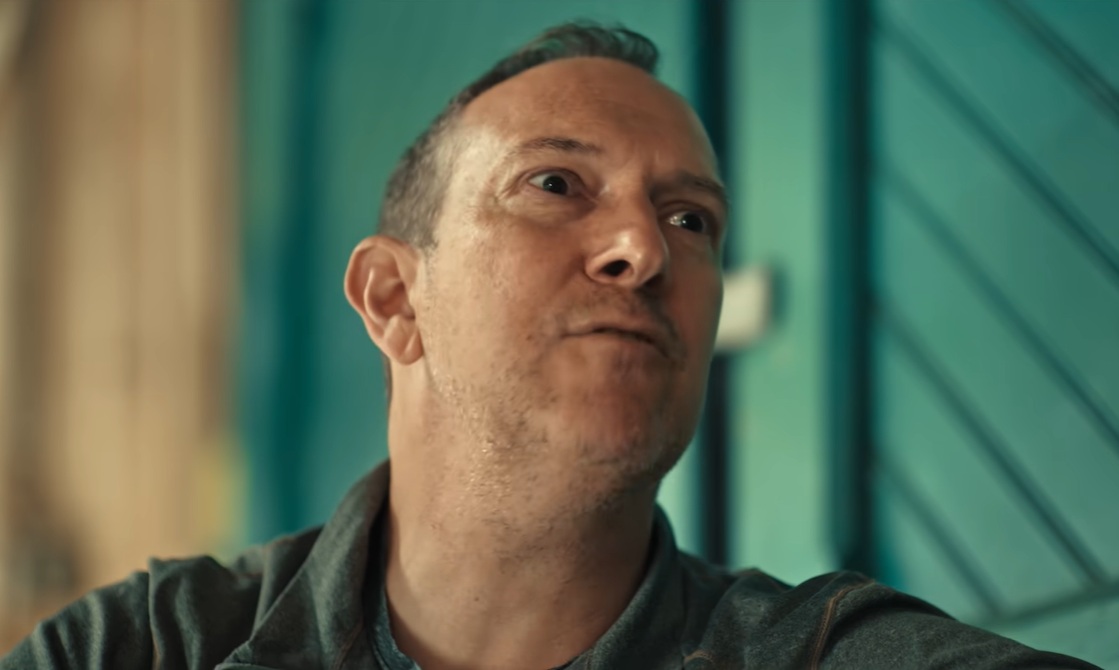
It’s Michelle Hadley.
Imagine waking up one morning and discovering you’ve become the villain in a story you didn’t even know existed.
- Friends disappear.
- News headlines portray you as dangerous.
- Police believe they’ve caught the right person.
- The public has already decided you’re guilty.
Even after exoneration, rebuilding a normal life isn’t something that happens overnight.
The documentary spends enough time exploring that emotional aftermath instead of treating wrongful imprisonment as just another dramatic plot point.
That decision gives the entire film much more weight.
Technology Isn’t the Villain—People Are
One theme quietly runs beneath every interview.
Technology itself isn’t dangerous.
People willing to weaponize it are.
- Emails.
- Search histories.
- Location data.
- Social media.
- Public forums.
- Anonymous accounts.
Every digital service we casually use every day becomes another potential tool for manipulation when someone is willing to exploit it.
That’s probably the biggest reason audiences continue discussing this documentary online.
It feels frighteningly plausible.
Why Reddit Couldn’t Stop Talking About It
Scrolling through discussions after finishing the documentary reminded me of the reaction people had after watching some of Netflix’s biggest true-crime hits.
Viewers weren’t simply debating guilt.
They were asking entirely different questions.
- How did investigators miss obvious warning signs?
- Why was digital evidence trusted without deeper scrutiny?
- Could something similar happen today?
- How many wrongful accusations begin exactly this way?
Those conversations continue long after the credits roll.
That’s usually the mark of a documentary that has genuinely connected with audiences.
Quick Breakdown
| Aspect | Why It Stands Out |
|---|---|
| Story | Feels stranger than scripted fiction. |
| Investigation | Constantly overturns earlier assumptions. |
| Emotional Impact | Strong focus on the innocent victim rather than sensational crime. |
| Digital Crime | Highlights modern cyber manipulation and identity framing. |
| Documentary Style | Patient storytelling supported by real evidence. |
More Than Just Another Netflix Crime Story
Netflix has released plenty of memorable crime documentaries over the years, but A Toxic Love Story occupies a different space.
It isn’t obsessed with serial killers.
It isn’t built around elaborate police chases.
Instead, it examines something arguably more frightening.
The ability to manufacture an entirely false reality using digital tools, emotional manipulation, and carefully planted evidence.
That’s a far more relatable fear than many traditional true-crime stories.
Most viewers will never encounter a serial killer.
Almost everyone lives online.
A Toxic Love Story Meaning Explained: The Dark Metaphor Behind Netflix’s Wildest True Crime Doc
My Take After Watching
I’ve watched enough documentaries to recognize familiar storytelling patterns.
Usually you can predict the ending within twenty minutes.
That never happened here.
Every time I felt confident about where the story was heading, another revelation completely changed the picture. Not because the filmmakers were hiding information from the audience, but because the real investigation unfolded exactly that way.
What stayed with me wasn’t simply the shocking crime itself.
It was how fragile truth can become once technology, personal obsession, and institutional assumptions collide. Watching an innocent person’s life unravel while almost everyone believed the wrong narrative is far more disturbing than any fictional thriller I’ve seen recently.
If you’re looking for explosive action or nonstop suspense, this probably isn’t the documentary for you. But if you’re fascinated by psychological manipulation, digital deception, and true stories that seem impossible until the evidence starts piling up, A Toxic Love Story deserves a spot near the top of your watchlist.
Some documentaries entertain.
Some educate.
This one quietly leaves you questioning just how easily reality itself can be rewritten before anyone notices.


