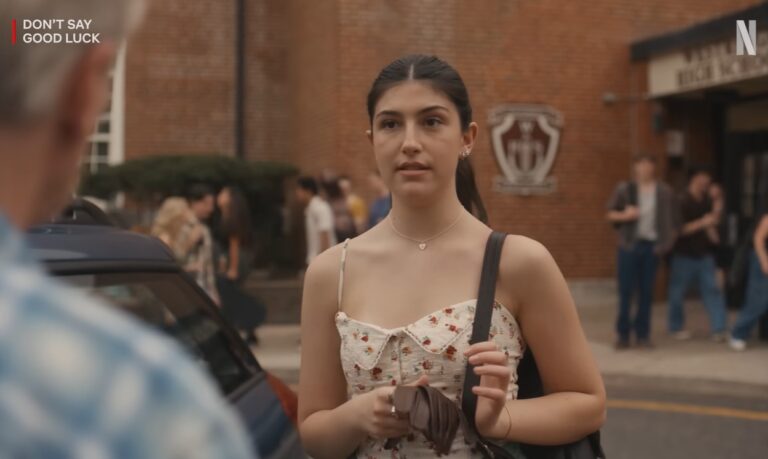
True crime has become one of streaming’s biggest obsessions, but very few stories have sparked the level of attention generated by The Idaho Murders: College Nightmare. The Netflix documentary immediately reignited debates across Reddit, YouTube, and every major social platform because viewers kept asking the same thing: Is this actually based on real events, or has Netflix dramatized the story for entertainment?
The answer is straightforward.
Yes, the documentary is based entirely on a real criminal case. There are no fictional killers, invented victims, or Hollywood-style twists driving the central narrative. The three-part Netflix documentary revisits one of the most disturbing crimes in recent American history—the murders of four University of Idaho students in November 2022—and reconstructs the investigation using interviews, official evidence, police footage, and testimony from people directly connected to the case.
What impressed me most isn’t simply that Netflix covered the murders. It’s that the series makes a visible effort to keep the victims at the center instead of turning the suspect into another infamous celebrity. That alone separates it from plenty of sensational true-crime productions that seem more interested in myth than reality.
The Horror Began Inside a Quiet College Home
The story takes viewers back to 1122 King Road in Moscow, Idaho.
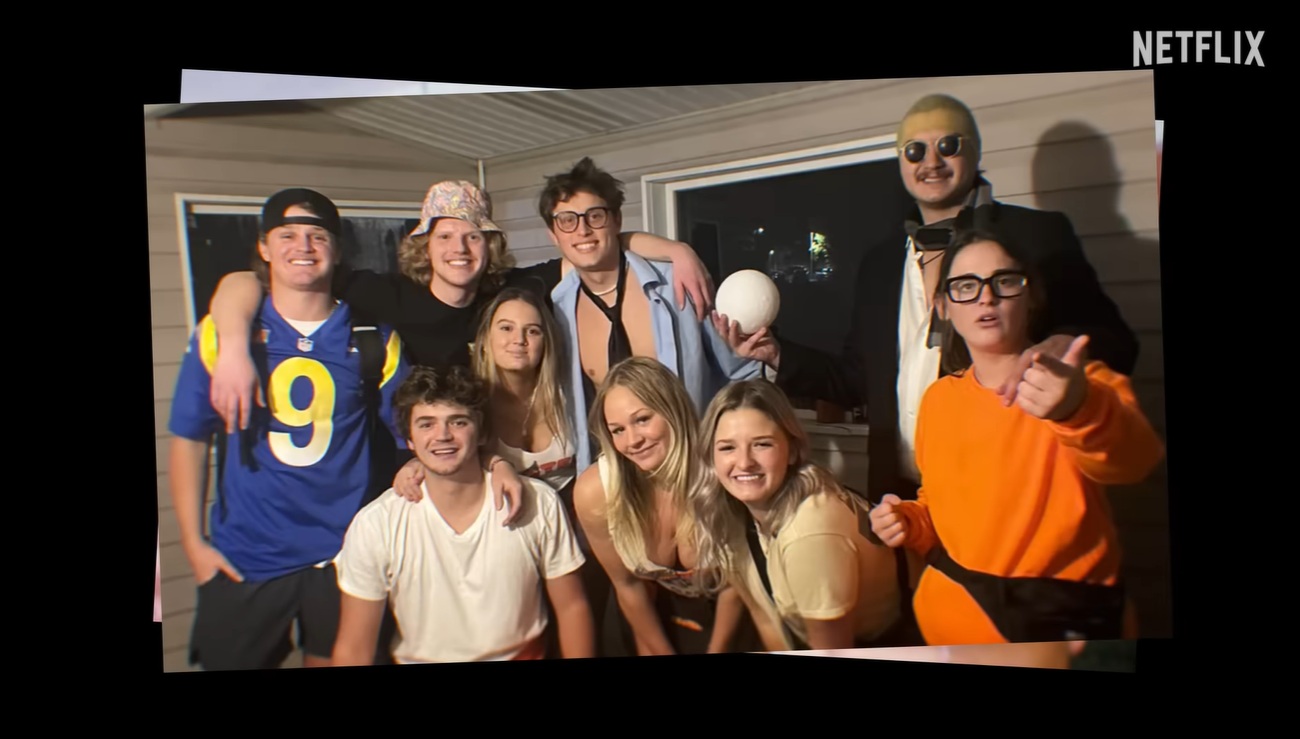
From the outside, it looked like any other student rental near a university campus. Friends gathered there regularly, parties were common, and nothing about the neighborhood suggested it would become one of America’s most recognizable crime scenes.
During the early hours of November 13, 2022, four students lost their lives inside the house.
The victims were:
- Kaylee Goncalves, 21
- Madison Mogen, 21
- Xana Kernodle, 20
- Ethan Chapin, 20
Each of them had plans extending far beyond that weekend. Graduation, careers, relationships, and entirely normal futures disappeared within a single night.
That’s one of the hardest parts of watching the documentary. Netflix doesn’t treat them as names attached to headlines. Friends and relatives describe who they actually were before the entire world learned their names for the worst possible reason.
One Detail Still Feels Almost Impossible to Believe
Even years later, one fact continues to unsettle almost everyone who learns about this case.
Two roommates inside the same residence survived.
They were not attacked, and they remained inside the home until later that morning before emergency responders were called.
That single fact fueled enormous public speculation during the early investigation.
People invented theories.
Internet detectives convinced themselves they had solved the crime.
Countless innocent individuals suddenly found themselves accused online without evidence.
The documentary spends considerable time addressing that chaos, and honestly, it needed to. Watching strangers transform real people’s grief into internet entertainment remains one of the ugliest chapters surrounding this case.
A National Investigation That Captured Millions
As weeks passed without an arrest, public anxiety only intensified.
The Moscow Police Department received assistance from state investigators and the FBI while attempting to identify the person responsible.
One breakthrough eventually stood above every other lead.
Investigators focused on a white Hyundai Elantra seen near the neighborhood around the estimated time of the murders.
From there, the investigation gradually narrowed toward Bryan Kohberger, then a doctoral criminology student attending Washington State University in nearby Pullman.
The irony wasn’t lost on anyone.
A graduate student studying criminal behavior suddenly became the primary suspect in one of the country’s biggest homicide investigations.
Why Investigators Focused on Bryan Kohberger
According to the evidence presented during the investigation, authorities built their case from multiple independent sources rather than relying on a single discovery.
Among the most widely discussed pieces of evidence were:
| Evidence | Why It Mattered |
|---|---|
| DNA recovered from a knife sheath | Linked investigators to Kohberger through family DNA comparison. |
| Cell phone location records | Suggested repeated visits near the victims’ residence before the murders. |
| Vehicle surveillance | A white Hyundai Elantra appeared repeatedly near King Road. |
| Travel timeline | Phone activity reportedly stopped during the estimated time of the attacks before resuming later. |
Whether someone believes every detail or not, it’s difficult to ignore how those pieces formed a much larger investigative picture instead of standing alone.
Netflix Doesn’t Glorify the Suspect
This may be the documentary’s biggest strength.
Too many modern true-crime productions spend hours exploring the psychology of the accused while reducing victims to photographs shown during opening credits.
The Idaho Murders: College Nightmare largely avoids that mistake.
Director Skye Borgman shifts attention toward:
- Grieving parents
- Lifelong friends
- Investigators
- Surviving community members
- The emotional aftermath left behind
That decision gives the documentary far more emotional weight than endless speculation about criminal motives ever could.
Personally, I found those moments infinitely more compelling than another attempt to analyze the suspect’s personality.
Why This Story Refuses to Disappear
Even after several years, interest in the Idaho murders remains remarkably high.
There are several reasons.
- The crime shocked people because four students were attacked inside what should have been one of the safest places imaginable—their own home.
- The investigation unfolded in public through court filings, surveillance footage, and constant media coverage.
- Social media transformed millions of viewers into amateur investigators, keeping the case in daily conversation.
- Continuing legal developments ensured the story never completely disappeared from the headlines.
Instead of becoming history, the case evolved into an ongoing national discussion that continues to attract enormous public attention.
The Internet Didn’t Always Help
One aspect of the documentary deserves far more attention than it’s receiving.
Netflix openly confronts the darker side of online true-crime culture.
Forums, livestreams, TikTok videos, and Reddit threads produced thousands of theories during the investigation.
Some users genuinely wanted answers.
Others simply wanted attention.
The result was devastating.
Several innocent people became targets of harassment because anonymous internet users decided they looked suspicious.
Families already mourning unimaginable losses suddenly had to deal with conspiracy theories spreading faster than verified facts.
Watching those sections of the documentary left me frustrated because they demonstrate how quickly online speculation can become real-world harm.
Curiosity is understandable. Turning strangers into suspects without evidence isn’t.
A Documentary That Feels More Respectful Than Exploitative
Netflix has been criticized before for sensationalizing real crimes.
This time, I think the filmmakers generally found a better balance.
Instead of manufacturing suspense through dramatic reenactments, the documentary relies heavily on:
- Official investigative material
- Interviews with people closest to the victims
- Authentic police footage
- Archival recordings
- Courtroom developments
That approach gives the series credibility while allowing viewers to understand how investigators gradually assembled the case.
It also reminds audiences that this wasn’t fictional entertainment.
Everything began with four real young adults whose lives ended far too soon.
So, Is The Idaho Murders: College Nightmare Really a True Story?
Absolutely.
There isn’t some hidden fictional version buried underneath the documentary.
The series examines the actual murders that took place in Moscow, Idaho, explores the lengthy investigation that followed, and follows the legal proceedings surrounding Bryan Kohberger using documented evidence and firsthand accounts.
What separates this documentary from many others isn’t simply its production quality.
It’s the perspective.
Rather than celebrating the mystery or obsessing over the accused, The Idaho Murders: College Nightmare repeatedly returns to the people who matter most—the victims, their families, and a community forever changed by one unimaginable night.
That choice makes the series feel less like another binge-worthy crime show and more like a sobering reminder that behind every headline are real lives interrupted forever.