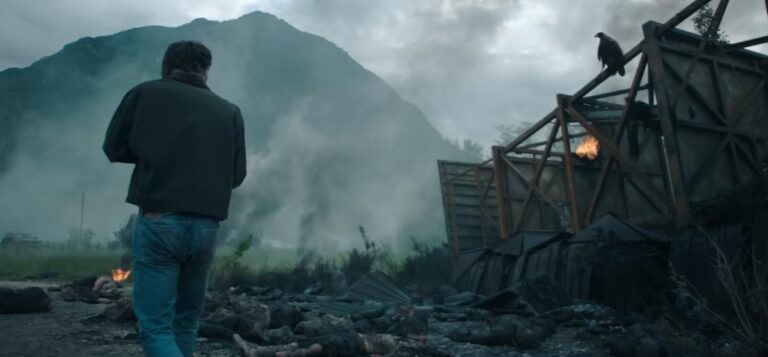
When I finished The Idaho Murders: College Nightmare on Netflix, I honestly believed the story had finally reached its most painful conclusion. Not because every mystery had been solved—far from it—but because Bryan Kohberger had already admitted guilt. His 2025 plea agreement appeared to close one of the most closely watched criminal cases in recent American history.
Then everything changed.
Just days before Netflix introduced the case to millions of new viewers, Kohberger suddenly returned to the headlines with a handwritten petition, a public declaration of innocence, and an unexpected prison phone interview with The New York Times. Overnight, what felt like a finished legal story transformed into another unpredictable chapter.
Whether the timing was carefully planned or simply remarkable coincidence, it has completely altered how audiences are experiencing Netflix’s documentary. Instead of watching a retrospective, viewers suddenly found themselves following a real-life legal drama unfolding in parallel.
The Silence That Suddenly Ended
For years, Bryan Kohberger rarely spoke in public.
His courtroom appearances were defined by short answers, emotionless expressions, and statements delivered almost entirely through his attorneys. Even after accepting responsibility in court and receiving four consecutive life sentences without parole, he maintained that silence.
That changed dramatically in late July 2026.
From inside Idaho Maximum Security Penitentiary, Kohberger filed a petition seeking to withdraw his guilty plea. At nearly the same time, he delivered a handwritten statement and participated in a prison phone interview with The New York Times, claiming his confession should never have happened.
His central arguments were straightforward but explosive.
- He now claims he is innocent.
- He says his legal team pressured him into pleading guilty.
- He alleges promises were made that were never fulfilled.
- He argues important evidence was withheld during plea negotiations.
Those accusations immediately reignited one of the internet’s biggest true-crime discussions.
Social media exploded with debates, podcasts published emergency episodes, YouTube legal channels dissected every sentence of his petition, and Reddit threads quickly filled with thousands of comments attempting to understand what had just happened.
The Timing Is Almost Impossible To Ignore
Perhaps the most fascinating aspect of the entire situation isn’t the petition itself.
It’s the calendar.
Netflix released The Idaho Murders: College Nightmare only forty-eight hours after Kohberger’s legal filing became public. Whether intentional or not, the result was extraordinary.
Instead of discussing only the documentary, audiences immediately connected it with breaking courtroom developments.
I’ve watched countless crime documentaries over the years, but it’s difficult to remember another release that became both outdated and even more relevant within the same week.
Normally documentaries explain history.
This one unexpectedly became part of it.
Can Kohberger Actually Undo His Guilty Plea?
This is where online speculation often drifts away from legal reality.
Across Reddit, YouTube, TikTok, and legal discussion forums, many viewers immediately asked the same question:
Could Bryan Kohberger actually receive a brand-new trial?
The legal answer is considerably more complicated than many headlines suggest.
Once a defendant has already been sentenced, withdrawing a guilty plea requires meeting one of the highest standards in criminal procedure. Simply changing your mind isn’t enough.
| Before Sentencing | After Sentencing |
|---|---|
| Fair and just reason | Manifest injustice |
| Relatively flexible standard | Extremely difficult legal standard |
That distinction matters because Kohberger previously confirmed several key facts under oath during his plea hearing.
- He understood the agreement.
- He accepted its consequences.
- He was satisfied with his attorneys.
- He entered the plea voluntarily.
Reversing those statements now would require convincing the court that his own sworn testimony should no longer be considered reliable.
Legal experts have repeatedly noted that this represents an enormous challenge.
Netflix Made One Decision I Really Appreciated
One aspect of The Idaho Murders: College Nightmare genuinely surprised me.
Unlike many modern true-crime productions, the series refuses to allow Bryan Kohberger to dominate every minute of screen time.
Too often, documentaries unintentionally transform accused killers into the central characters while the victims become background information.
This series mostly avoids that mistake.
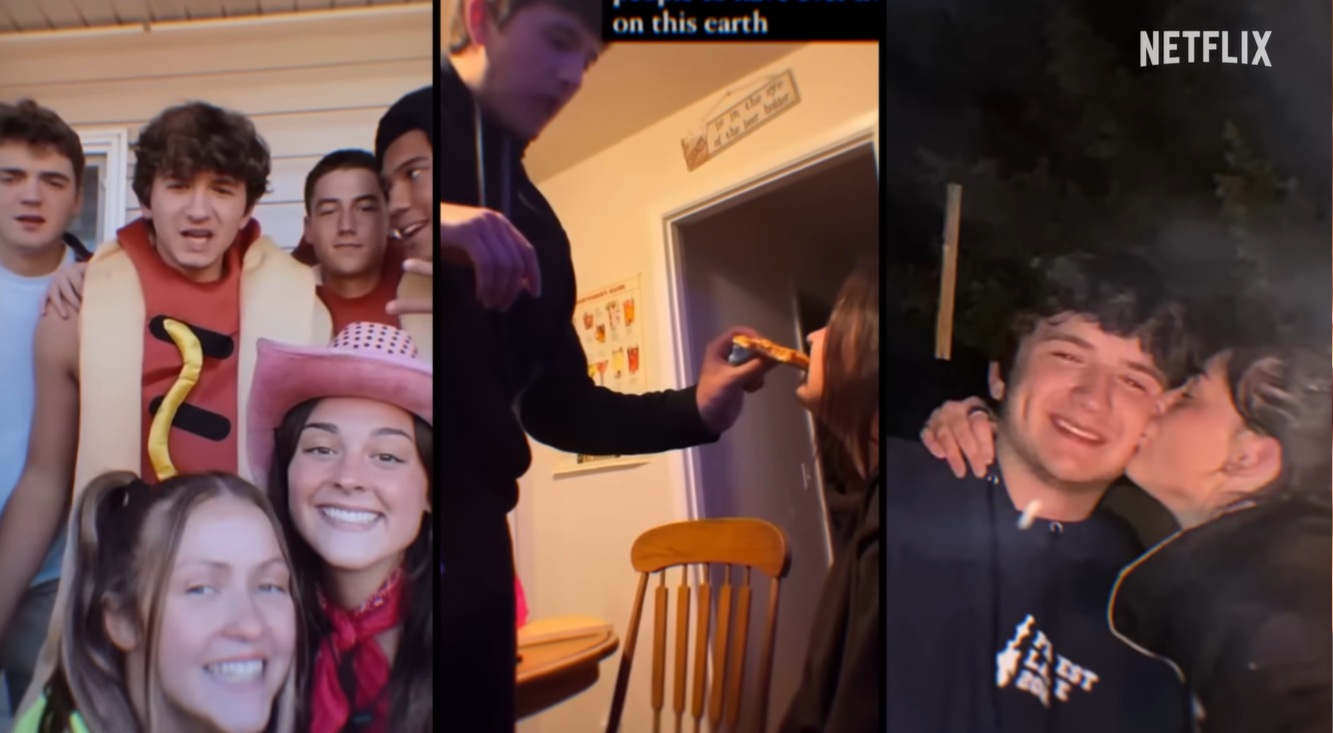
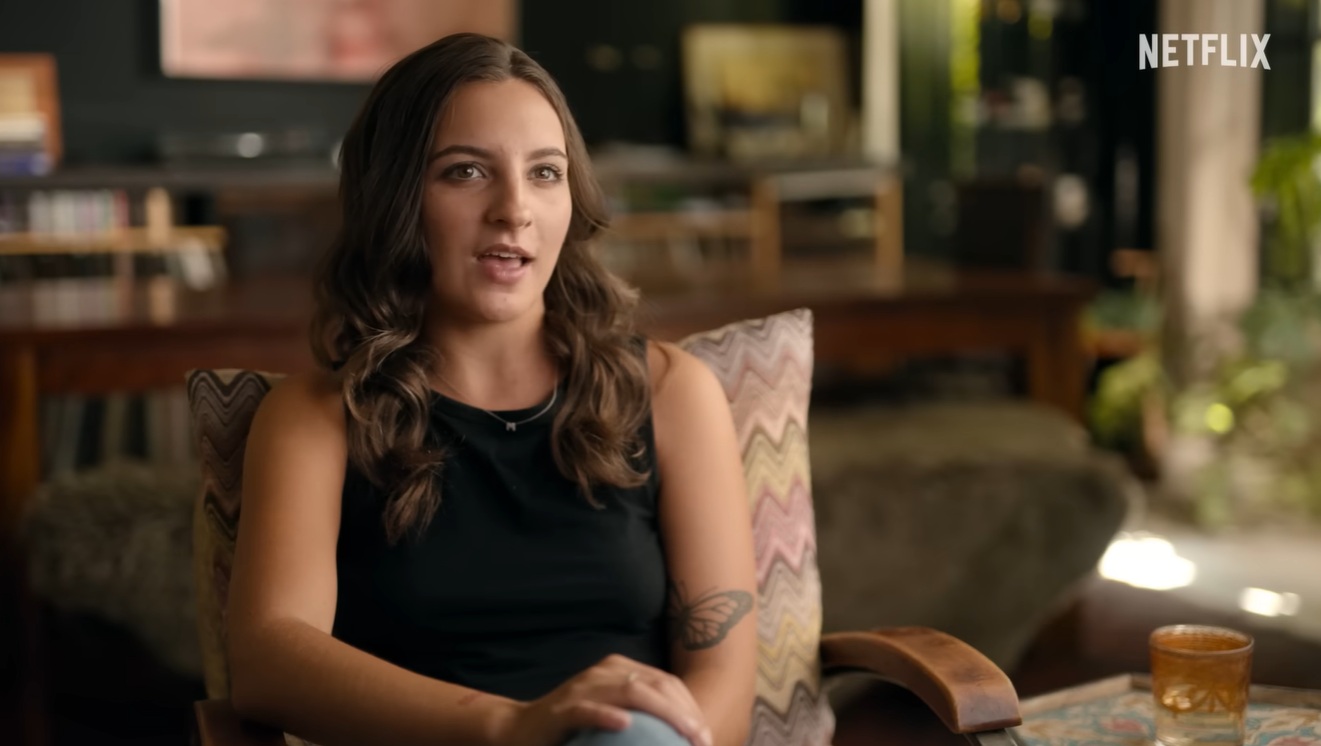
Instead, it spends meaningful time introducing viewers to Kaylee Goncalves, Madison Mogen, Xana Kernodle, and Ethan Chapin as people rather than headlines.
We see friendships, families, dreams, and ordinary college moments that suddenly became part of one unimaginable tragedy.
That creative choice gives the documentary a very different emotional weight.
Rather than asking viewers to become fascinated with the accused, it constantly reminds us whose lives were actually stolen.
The One Question That Still Has No Answer
Even after the guilty plea, one mystery continued to haunt the entire case.
Why?
Why those four students?
Why that house?
Why that particular night?
The documentary openly acknowledges that investigators may never fully answer those questions.
Ironically, Kohberger’s latest claims don’t provide those answers either.
Instead, they introduce entirely new mysteries.
- If he truly believes he is innocent, why plead guilty?
- If critical evidence exists, why wait until after sentencing?
- If he wants the public to hear his side, why decline to explain his specific claims during interviews?
Those unanswered questions have become fuel for another wave of internet theories.
Reddit Remains Deeply Skeptical
After spending time reading community discussions, one pattern becomes obvious.
Although opinions differ on legal strategy, skepticism overwhelmingly dominates.
The most common arguments include:
- the guilty plea now looks like simple buyer’s remorse;
- life inside a maximum-security prison may have changed Kohberger’s perspective;
- reopening the case guarantees renewed media attention;
- another legal battle provides purpose after receiving life sentences without parole.
Of course, internet discussions don’t determine legal outcomes.
But public sentiment has clearly shifted.
Instead of debating whether Kohberger committed the crimes, most conversations now focus on why he suddenly wants to revisit a plea he previously accepted in open court.
The Victims’ Families Aren’t Interested In Another Media Circus
Perhaps the strongest response came from the victims’ families.
After years of investigations, hearings, delays, emotional testimony, and finally sentencing, many believed they could begin moving forward—at least as much as anyone can after experiencing unimaginable loss.
Now the entire case is dominating headlines once again.
Their public statements leave little room for interpretation.
They do not believe Kohberger’s latest claims change the overwhelming evidence or the legal conclusions already reached.
From their perspective, every new interview and courtroom filing simply forces grieving families to relive events they desperately wish had ended years ago.
That emotional reality is something no documentary can fully capture.
Why Millions Of People Still Can’t Look Away
Some criminal investigations become more than court cases.
They become cultural moments.
The Idaho murders undeniably fall into that category.
Part of the fascination comes from the shocking brutality of the crimes.
Part comes from the nationwide investigation that captivated audiences for weeks.
And part comes from Kohberger himself—a criminology PhD student whose academic background made the entire story seem stranger than fiction.
Now another chapter has unexpectedly been added.
Instead of quietly disappearing into legal history, the case has become active once again.
Netflix didn’t create that reality.
Its documentary simply arrived at the exact moment the story refused to end.
The Idaho Murders: College Nightmare Episode 3 Ending Explained & Case Breakdown
What Comes Next?
Despite the dramatic headlines, nothing changes overnight.
Kohberger remains convicted.
He remains sentenced to four consecutive life terms without parole.
His petition does not erase those convictions.
The court must first determine whether his arguments justify additional proceedings.
A newly appointed legal team will now evaluate whether there is any legitimate basis for post-conviction relief.
If the petition is denied, the convictions remain exactly as they stand today.
If the court somehow grants the request, the legal consequences would be enormous, reopening issues many believed had finally been settled.
For now, every meaningful development belongs inside the courtroom—not on Reddit, YouTube, or social media timelines.
My Take After Watching The Documentary
What surprised me most wasn’t the petition itself.
It was how differently The Idaho Murders: College Nightmare feels because of everything happening around it.
Every courtroom scene, every interview with investigators, every emotional conversation with the victims’ families now carries additional weight because viewers know another legal battle may be beginning.
That doesn’t automatically make Kohberger’s new claims convincing.
If anything, it demonstrates just how elusive genuine closure can be in high-profile criminal cases.
The documentary continually reminds us that four young lives were taken long before streaming rankings, prison interviews, and viral debates became part of the conversation.
Whatever happens inside the courtroom next, that remains the only fact that truly matters.
The legal process may continue for months or even years, but the emotional center of this story has never been Bryan Kohberger.
It has always been Kaylee Goncalves, Madison Mogen, Xana Kernodle, and Ethan Chapin—and the futures they never had the chance to live.