
Netflix loves making audiences believe they’re traveling somewhere glamorous, and 72 Hours (2026) might be one of the best recent examples. I went into the movie expecting a colorful Miami vacation packed with ridiculous bachelor-party chaos, neon nightlife, luxury yachts, and Kevin Hart doing what Kevin Hart does best. What I didn’t expect was spending half the movie wondering, “Wait… is that really Miami?”
After digging through production reports, local sightings, casting announcements, and behind-the-scenes discussions, it became clear that the answer is both yes and no.
The biggest surprise? A large part of this “Miami” comedy was actually created hundreds of miles north in New Jersey, and honestly… I never noticed during my first watch.
Hollywood’s Favorite Trick Is Alive and Well
Modern productions rarely shoot entirely where the story takes place. Tax incentives, easier logistics, and production costs often matter more than geography.
That’s exactly what happened with 72 Hours.
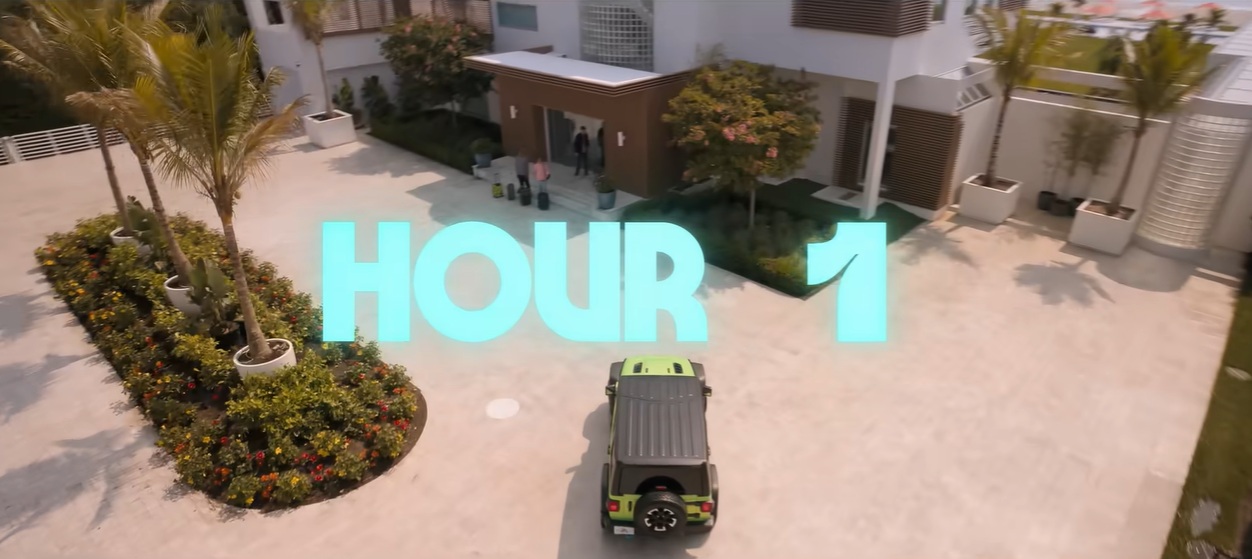
The movie tells one continuous story inside sunny South Florida, but the filming itself bounced between two very different states. New Jersey handled much of the controlled production, while Florida delivered the authentic atmosphere that audiences instantly recognize.
Watching the finished film, it’s honestly impressive how seamless everything feels.
Where Most Of The Movie Was Actually Filmed
Liberty Landing Marina Became a Luxury Miami Harbor
One of my favorite scenes is the outrageous yacht party.
The movie sells it as another over-the-top day in Biscayne Bay, complete with expensive boats, champagne, music, and nonstop chaos.
The reality?
Most of those sequences were filmed at Liberty Landing Marina in Jersey City.
The production reportedly brought in a massive private yacht and relied on clever framing to hide the surrounding skyline. Looking back after learning this, you can appreciate how much work went into making northern waterfronts resemble South Florida.
It’s one of those movie illusions that’s impossible to unsee once someone points it out.
Historic Jersey City Appears More Than You Think
Several early scenes showing Joe’s normal corporate lifestyle were reportedly filmed around neighborhoods in Jersey City.
Rather than relying on CGI, the crew embraced existing architecture before transforming certain streets with temporary movie sets.
One detail I absolutely love is the construction of a fake subway entrance.
Apparently it looked convincing enough that plenty of locals were confused for a while. Those little production stories always make location hunting more entertaining than the movie itself.
Hoboken Quietly Filled In The Gaps
Hoboken also became part of Joe’s everyday world before everything spirals into bachelor-party madness.
Classic brownstones, residential streets, and quieter city blocks offered exactly the opposite atmosphere from what audiences eventually see in Miami.
It’s subtle, but those opening moments work because they feel grounded before the movie throws everyone into nonstop chaos.
The Jersey Shore Pretended To Be South Beach
This may be the funniest production decision.
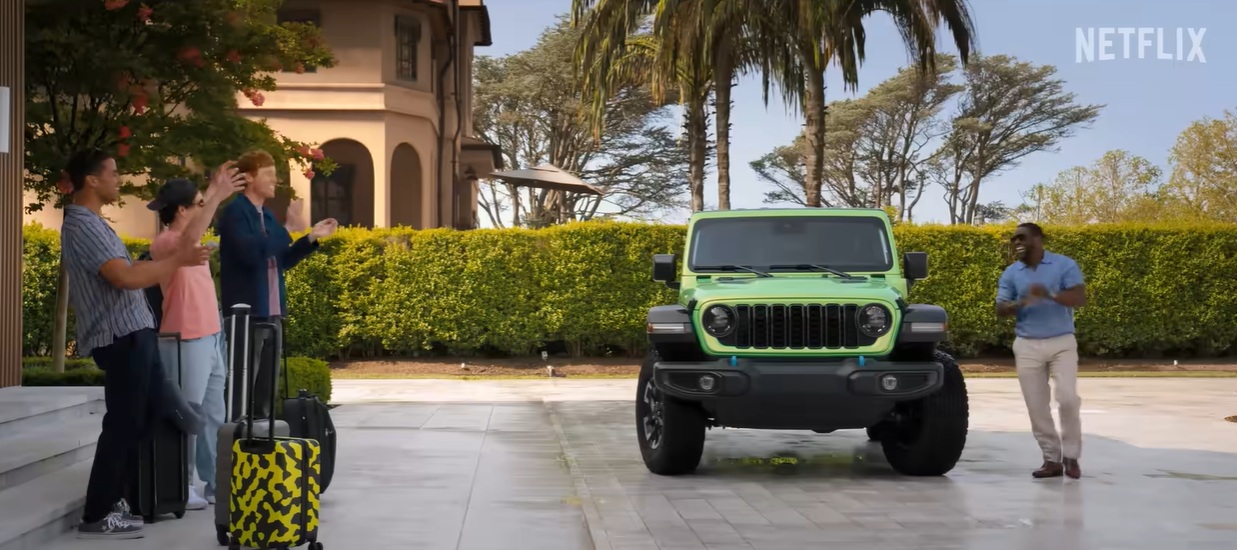
Several beach sequences weren’t filmed in Florida at all.
Instead, production moved to the Jersey Shore, particularly around Long Branch, where beaches received a tropical makeover.
Think about everything audiences naturally associate with Miami:
- Colorful beach furniture
- Palm-inspired decorations
- Packed day parties
- Yacht crowds
- Bright summer atmosphere
With enough set decoration, careful camera angles, and aggressive color grading, the illusion works surprisingly well.
If nobody had told me, I honestly wouldn’t have questioned it.
Miami Still Plays An Important Role
Of course, Netflix couldn’t completely fake one of America’s most recognizable cities.
Certain locations simply have too much personality to recreate elsewhere.
Brickell
Whenever the film needs to remind viewers they’re in modern Miami, Brickell immediately does the job.
The glass skyscrapers, luxury apartments, and energetic downtown streets establish Joe’s professional world before everything falls apart.
Those skyline shots instantly sell the setting.
Little Havana Brings Real Character
If there’s one place that absolutely feels authentic, it’s Little Havana.
Some of the liveliest sequences unfold around Calle Ocho, where the movie captures the neighborhood’s colorful streets, busy storefronts, and unmistakable energy.
From everything that’s surfaced online, filming here wasn’t exactly simple.
Road closures, dozens of businesses, huge production crews, and hundreds of extras transformed the area into one enormous movie set.
The payoff shows on screen.
These scenes have an energy that would have been incredibly difficult to fake.
Virginia Key Adds The Tropical Look
Wide aerial shots over turquoise water, speedboats racing across Biscayne Bay, and distant skyline views all come from genuine South Florida.
Those establishing shots quietly do a lot of work.
Even though audiences may only see them for a few seconds, they convince your brain that every following scene belongs in Miami—even when it was filmed somewhere else.
Why The State Swap Actually Works
One thing that stood out after watching 72 Hours a second time is how confidently the movie jumps between locations.
The editing never gives viewers time to question what they’re seeing.
A yacht interior filmed in New Jersey can immediately cut to a genuine Miami skyline.
A party scene transitions into authentic Florida streets.
Everything blends together because the production team kept visual consistency above everything else.
Color grading deserves a lot of credit.
The warm oranges, saturated blues, and bright sunlight create one continuous visual language regardless of where cameras were actually rolling.
That’s probably the biggest reason casual viewers never notice.
Quick Location Guide
| Movie Location | Real Filming Place | Used For |
|---|---|---|
| Luxury yacht party | Liberty Landing Marina, New Jersey | Yacht sequences and marina scenes |
| Joe’s city life | Jersey City | Residential and transitional scenes |
| Neighborhood exteriors | Hoboken | Corporate-life establishing shots |
| Beach parties | Long Branch, New Jersey | Miami-style beach clubs |
| Downtown Miami | Brickell | Skyline and business district |
| Street comedy scenes | Little Havana | Major outdoor sequences |
| Ocean panoramas | Virginia Key | Water and skyline establishing shots |
My Favorite Discovery
Learning that so much of 72 Hours was filmed in New Jersey actually made me appreciate the movie more.
Location tricks aren’t new, but this production pulls them off remarkably well.
Instead of relying on heavy digital backgrounds, the filmmakers found real places that could be transformed with practical production design, lighting, and smart cinematography.
That’s always more satisfying than green screens everywhere.
Even after knowing the truth, I found myself forgetting about it while rewatching several scenes.
To me, that’s a sign the production team succeeded.
Kevin Hart 72 Hours Movie Review (2026): Is It Worth the Stream or Total Cringe?
Is It Worth Visiting These Locations?
If you’re the type of movie fan who enjoys filming-location tourism, there are actually several stops worth adding to your list.
I’d recommend:
- Liberty Landing Marina for waterfront views and the famous yacht filming area.
- Little Havana if you want to experience the movie’s most energetic neighborhood.
- Brickell for those recognizable skyline shots.
- Long Branch Beach if you’re curious how New Jersey briefly became South Beach.
Some places look almost identical to what appears on screen, while others require a little imagination—but that’s part of the fun.
Final Thoughts
One of the biggest surprises surrounding 72 Hours isn’t a plot twist or one of Kevin Hart’s jokes—it’s discovering how convincingly two completely different states become one cinematic version of Miami.
The production never tries to show off its filmmaking tricks, and maybe that’s why they work so well. Jersey City quietly doubles for expensive Florida marinas, Long Branch masquerades as South Beach, and then the movie slips in real Miami landmarks just often enough to keep the illusion alive.
After finding out where everything was actually filmed, I almost wanted to watch the movie again with a map open beside me. Spotting the transitions between New Jersey and Florida turns into its own little game, and it’s surprisingly addictive. If you’re someone who enjoys catching hidden production details after the credits roll, 72 Hours offers far more than just another summer comedy—it doubles as a clever lesson in modern movie magic.